
Your home should function seamlessly with your lifestyle—but sometimes it doesn’t.
It might feel cramped in certain areas, while other spaces sit unused. Over time, those small frustrations start to add up. What seems like a kitchen issue, a storage issue, or even just a “tight layout” feeling often points to something deeper—the way the home is arranged simply no longer supports how you actually live.
In those cases, the solution isn’t always changing one room. Sometimes it’s stepping back and rethinking how the entire interior works together.
Assessing How Your Home Actually Functions
Before making changes, it’s worth looking at your home honestly.
Which areas feel crowded or underused?
Are certain rooms trying to serve too many purposes at once?
Does the layout support your daily routines—or work against them?
In many homes, especially older ones throughout Westchester, the issue isn’t a lack of space—it’s how that space is being used. Rooms were designed for a different time, different habits, and different needs.
Improving Flow Instead of Just Adding Space
One of the biggest shifts homeowners make is realizing they don’t necessarily need more square footage—they need better flow.
Opening up key areas of the home can completely change how it feels and functions. In some cases, that means merging kitchen, dining, and living spaces so the home feels more connected and usable throughout the day. In others, it’s about removing barriers, improving sightlines, or allowing more natural light to move through the space.
We worked on one home where we flipped the kitchen and entryway entirely. It wasn’t a small change—but the result was a layout that made immediate sense the moment you walked in. The flow improved, access became easier, and the space finally supported how the homeowners moved through their day.
Making Smart Improvements While You Reconfigure
When you start rethinking a layout, it also opens the door to improving how the home performs behind the walls.
Upgrading insulation, improving lighting, and incorporating more efficient systems can make a noticeable difference—not just in comfort, but in long-term cost and usability.
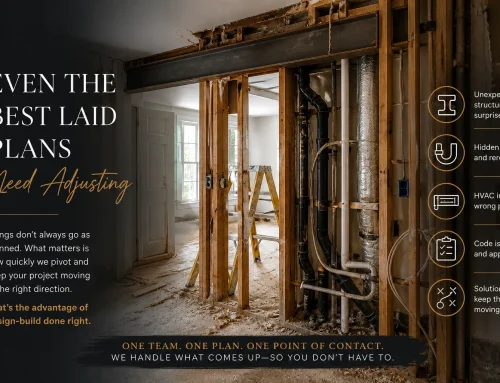
In one project, we replaced an older furnace and bulky water tanks with a compact Navien boiler system. The impact went beyond efficiency—it freed up a significant amount of space. What used to be a mechanical area became a completely usable room, eventually turned into a home theater.
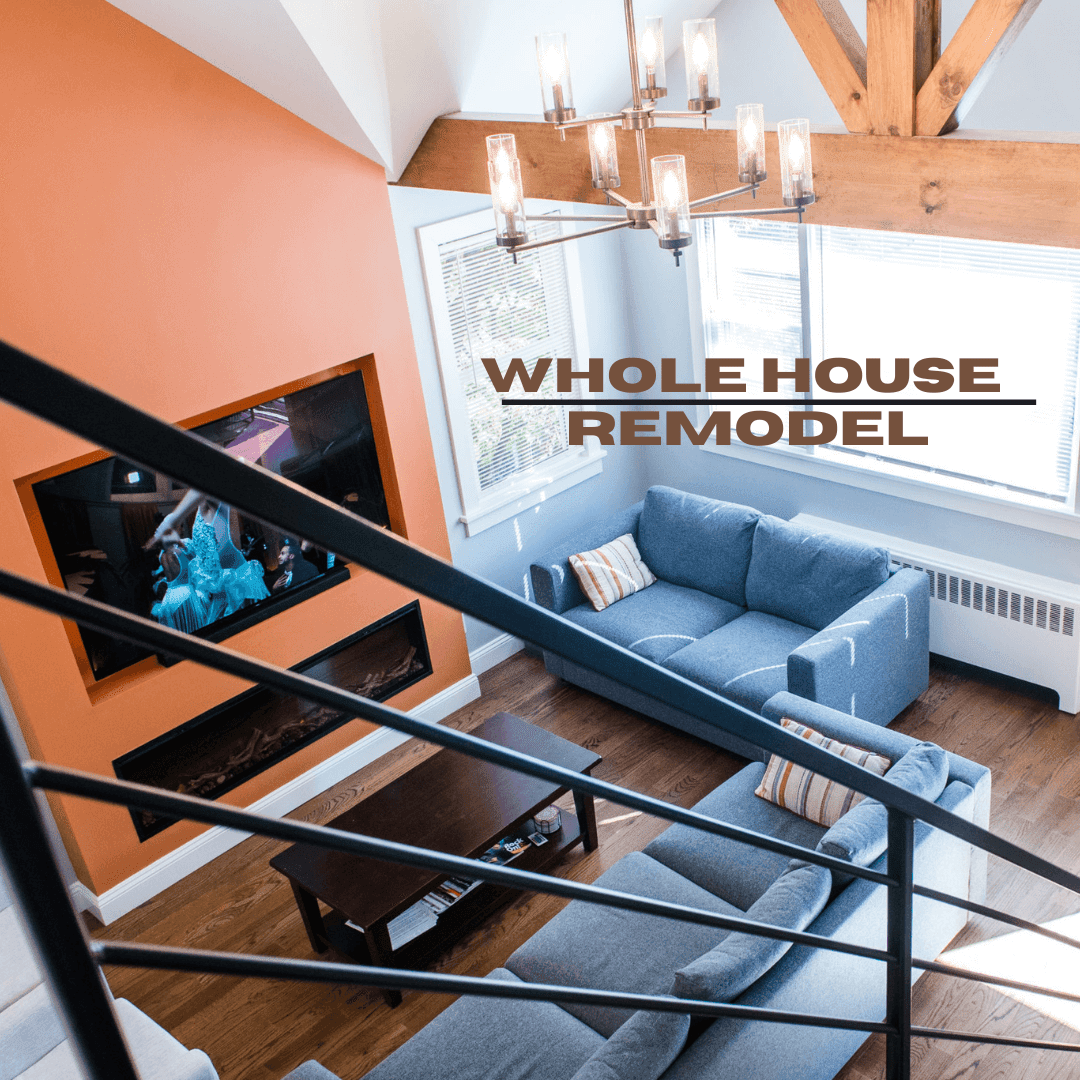
Sometimes the biggest gains come from changes you don’t immediately see. Projects like our Scarsdale whole-home remodel with kitchen relocation show exactly how rethinking flow — not just adding square footage — can transform how a home works.”
Reimagining Spaces That Aren’t Being Used Well
Every home has areas that don’t quite live up to their potential.
That might be an awkward hallway, an unused dining room, or a screened-in porch that only gets used a few months out of the year. With the right approach, those spaces can become some of the most valuable parts of the home.
We worked on a project where a screened-in porch was fully integrated into the main living area. Because the structure was already there, the transformation was far more efficient than building an addition—and it completely changed how the home felt.
Basements, attics, and even small in-between spaces can often be repurposed in ways that better match how homeowners live today.
Rethinking What Each Room Is Meant to Be
Sometimes the smartest move isn’t adding space—it’s redefining it.
A formal dining room can become a home office.
An unused bedroom can turn into a gym or creative space.
Even garages can be reworked into functional extensions of the home.
In one case, we added two bedrooms, two bathrooms, and a laundry room to a second floor—not by expanding the footprint, but by modifying the roofline. By reworking the structure above, we created usable living space where none existed before.
It’s a different way of thinking about space—but often a more efficient one.
Creating a Home That Can Adapt Over Time
A well-designed home doesn’t just work for today—it adjusts with you.
Simple decisions like wider openings, flexible layouts, or multi-purpose rooms can make a big difference over time. Bathrooms, in particular, can be designed to remain functional and comfortable as needs evolve, without feeling clinical or overbuilt.
These are the kinds of considerations that don’t always feel urgent—but become incredibly valuable later.
Final Thoughts
Maximizing your home isn’t always about adding more space—it’s about making better use of what’s already there.
Sometimes that means small adjustments. Other times, it means stepping back and looking at the home as a whole before making decisions that only solve part of the problem.
In many of the homes we work on throughout Westchester, that shift in perspective is what opens the door to better solutions—ones that feel more natural, more efficient, and more aligned with how the homeowners actually live.
If your home is starting to feel like it no longer fits your lifestyle, it may be worth exploring what’s possible before committing to isolated changes.
When you’re ready, we’re here to walk through it with you. Here is a look at how this whole project came together.
Schedule a consultation below.