
Kitchen Layout Optimization Without Expanding Square Footage
There are kitchens that lack square footage.
And there are kitchens that lack clarity.
This one had space. It had light. It had architectural connection to adjacent rooms and a footprint generous enough to support a strong layout. But it did not function at the level the home deserved.
The problem was not size.
It was sequencing.
“BEFORE” PHOTOS:
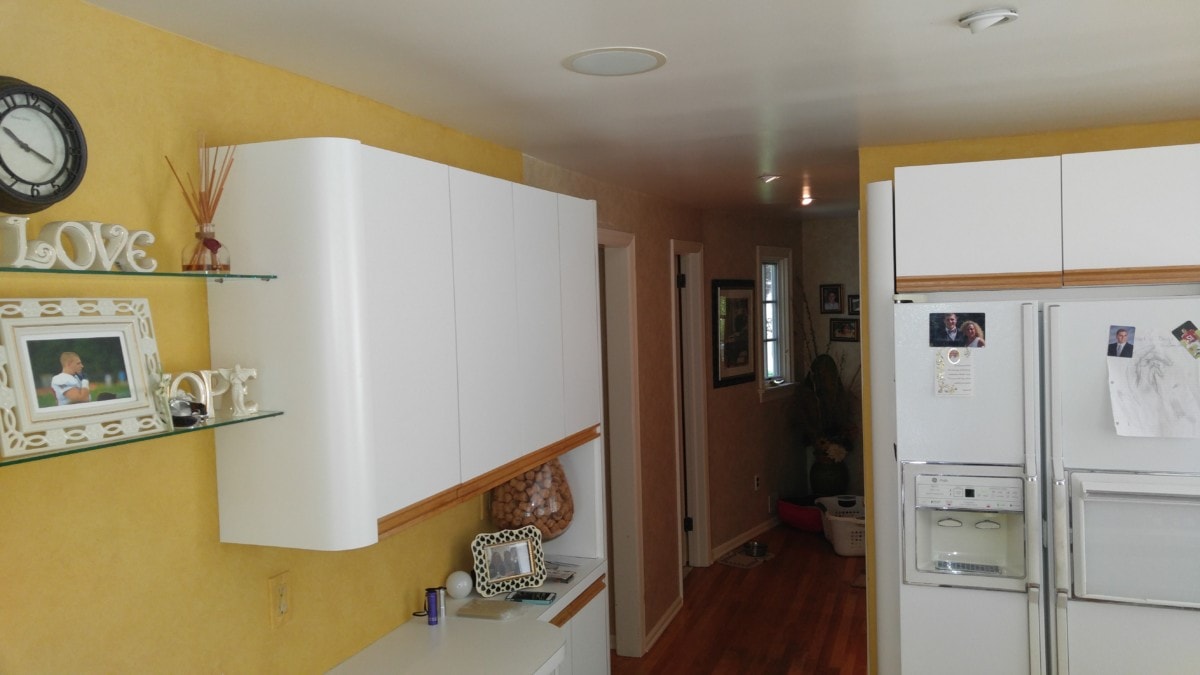
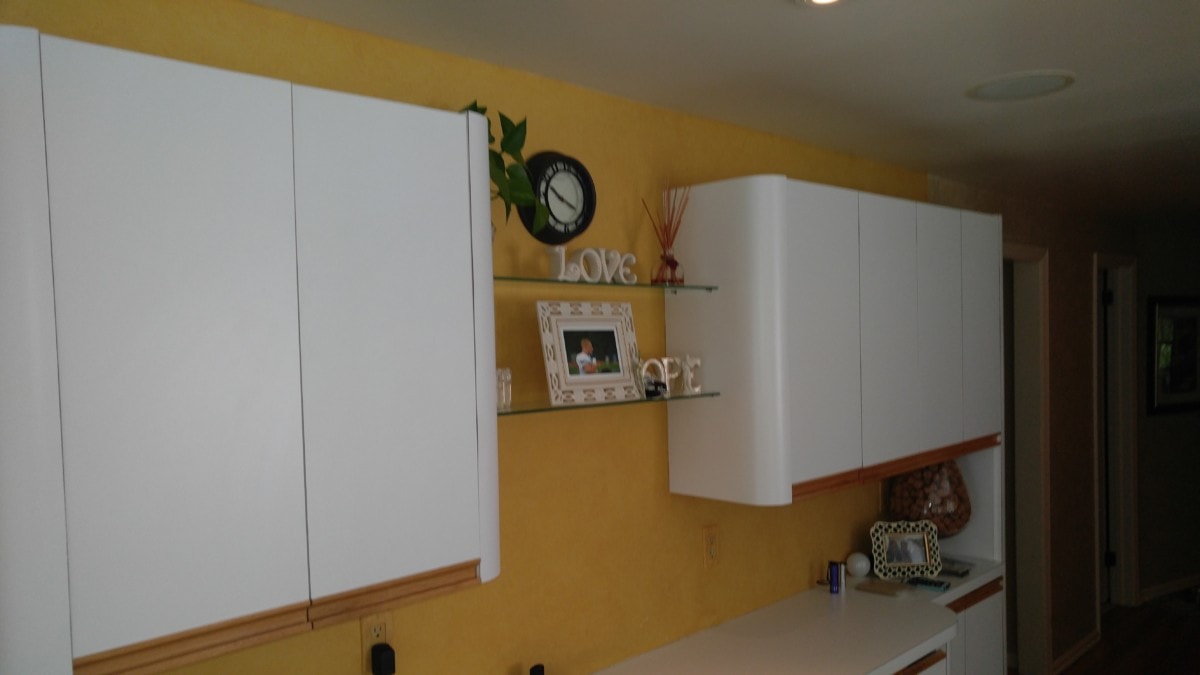
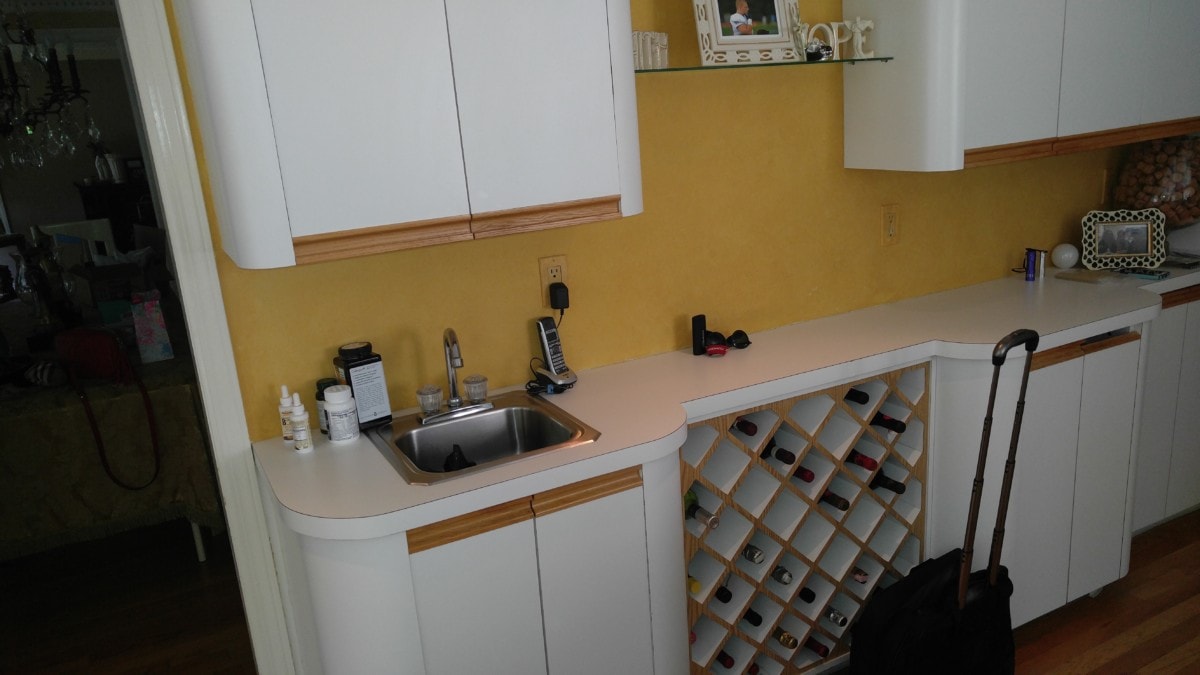
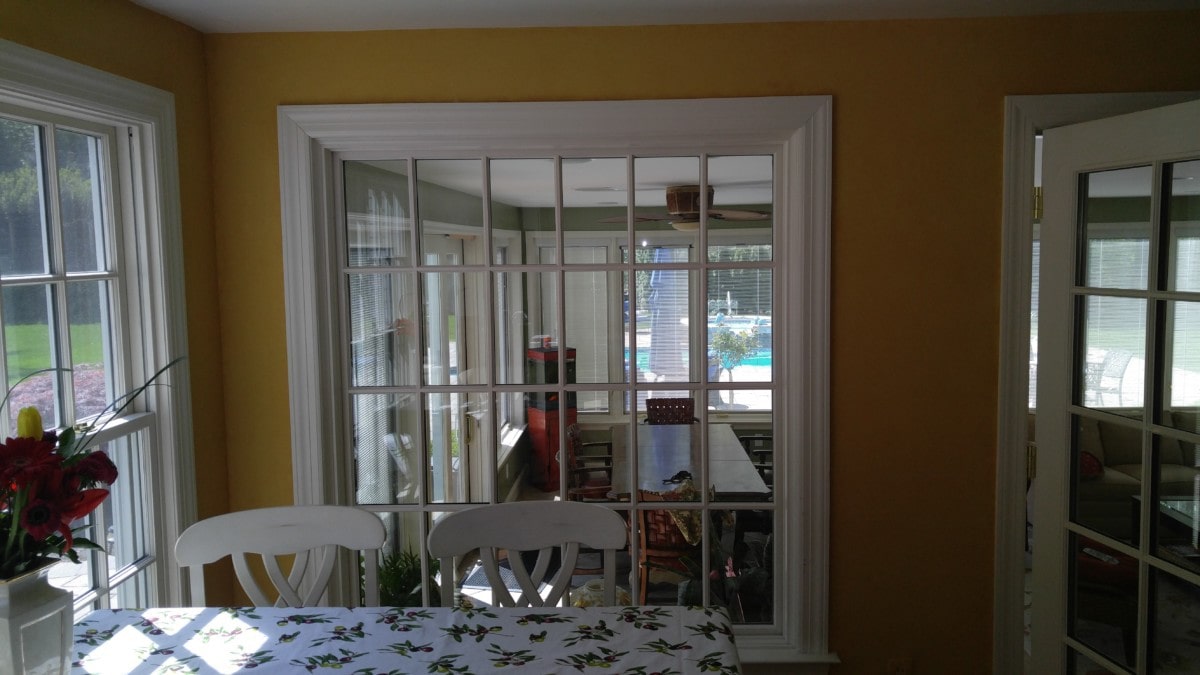
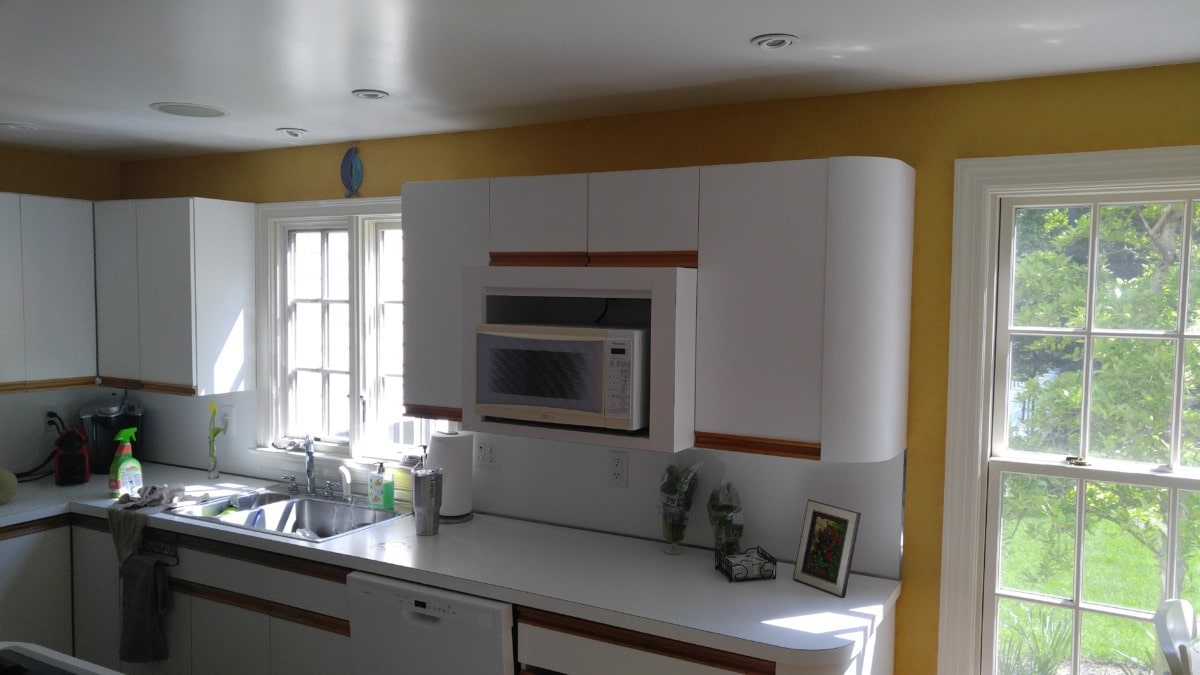
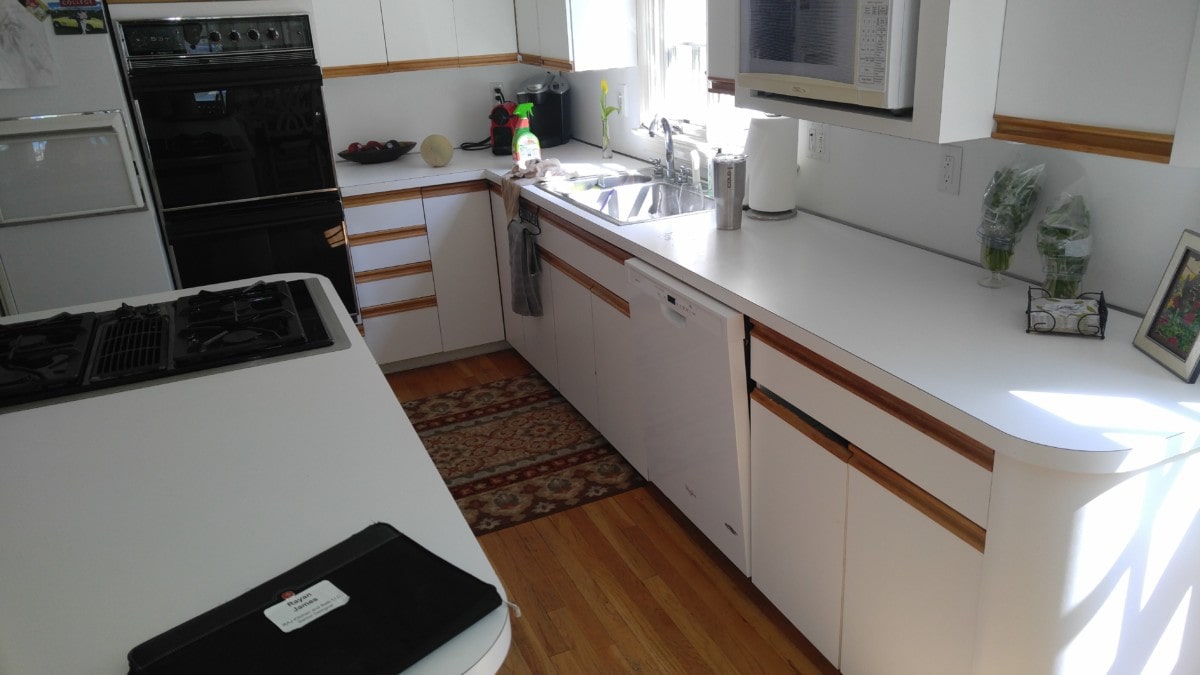
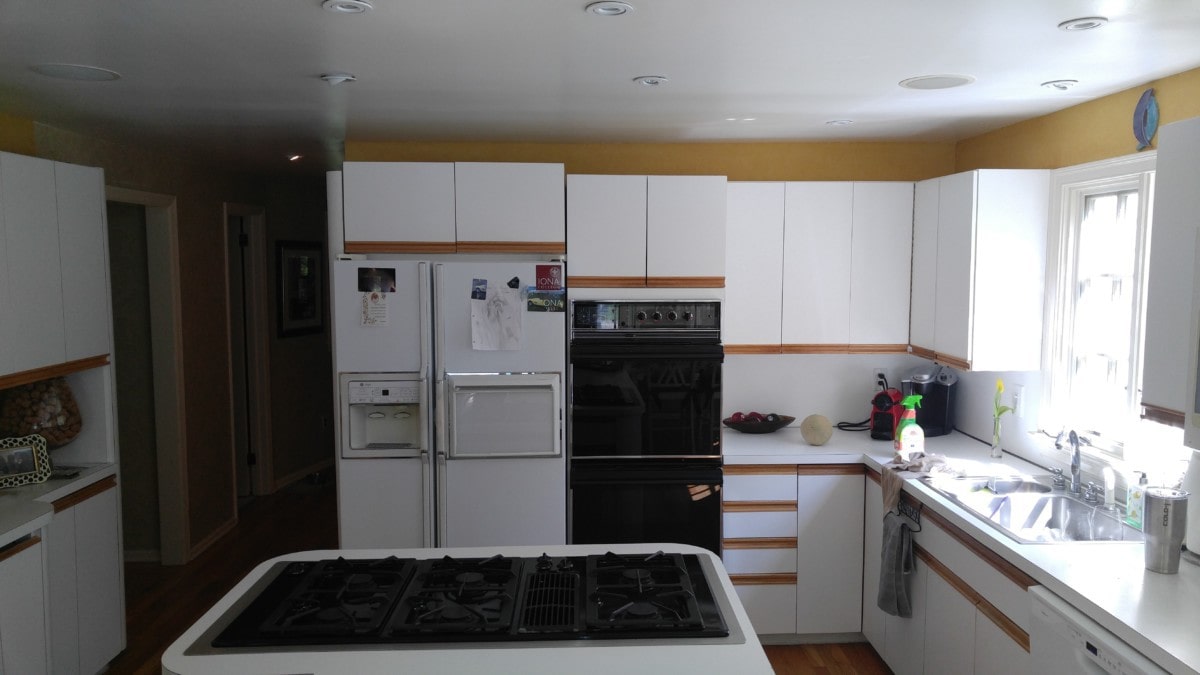
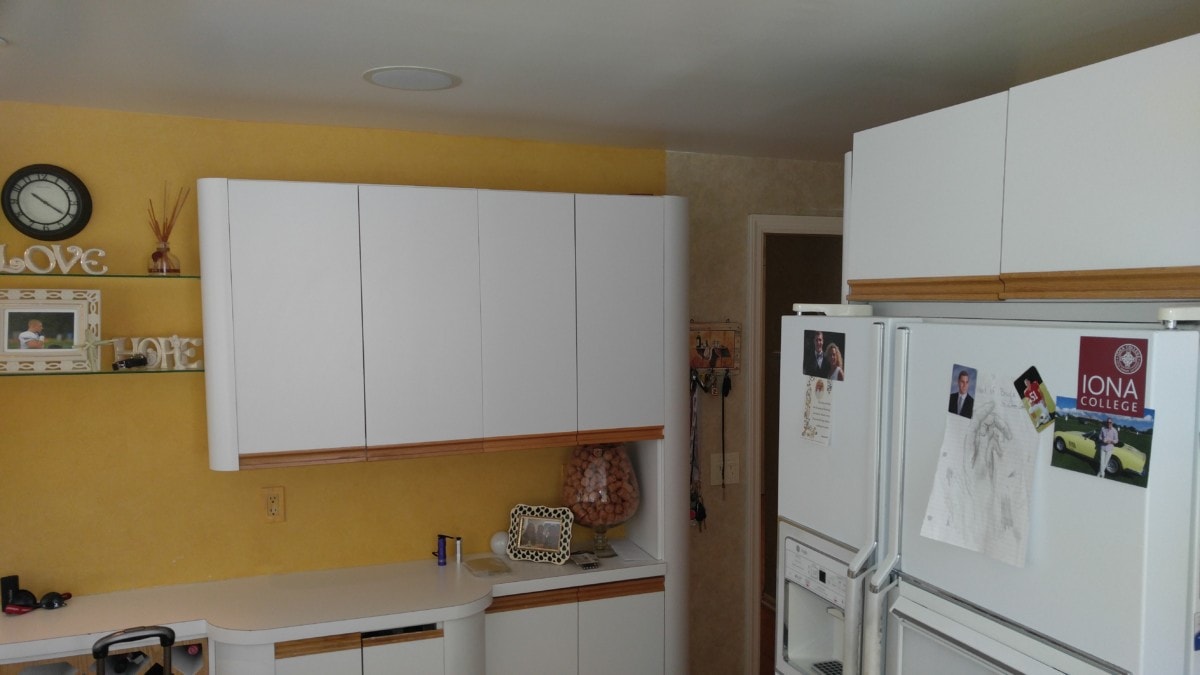
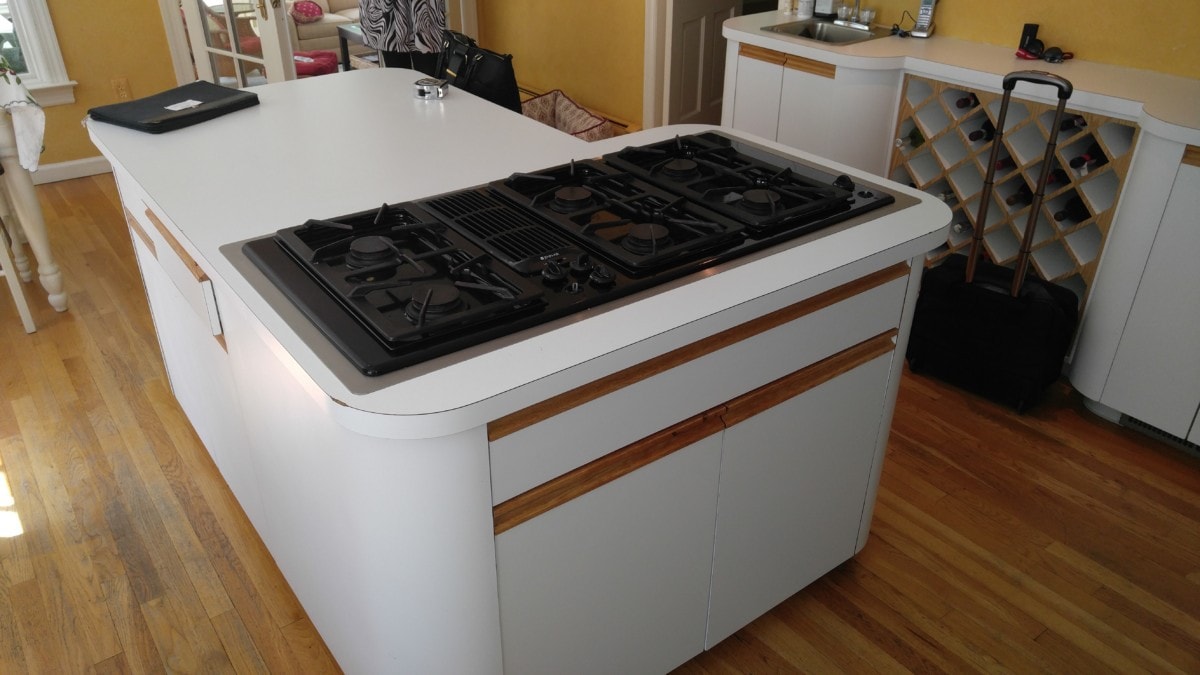
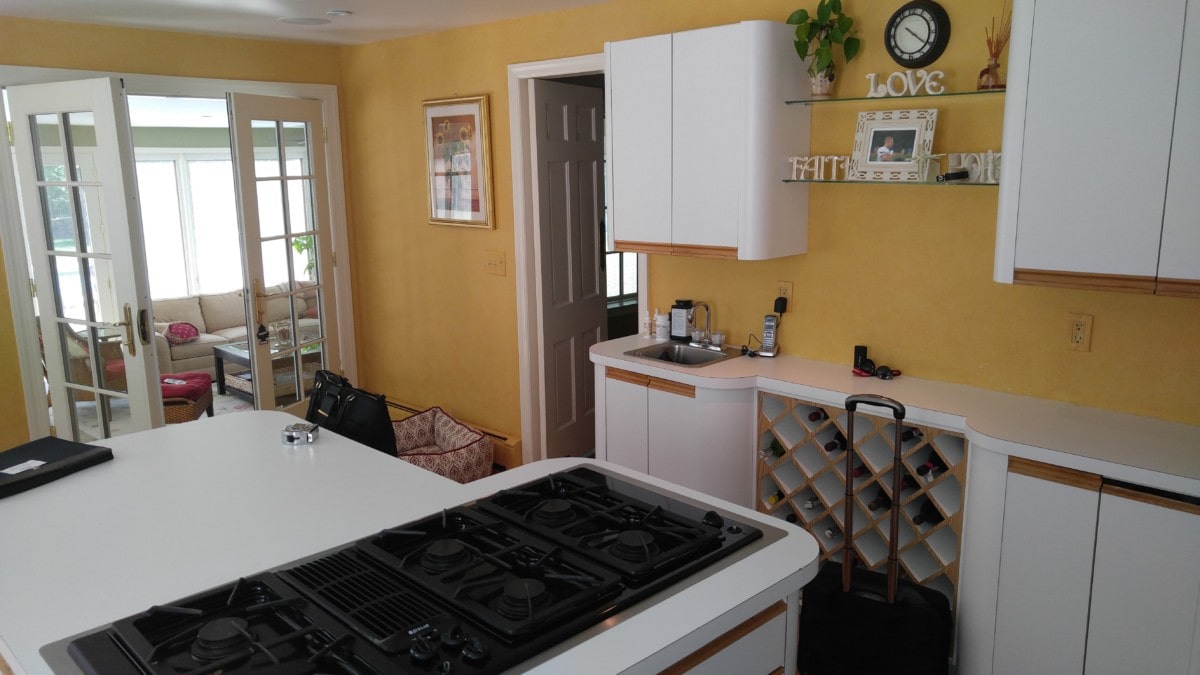
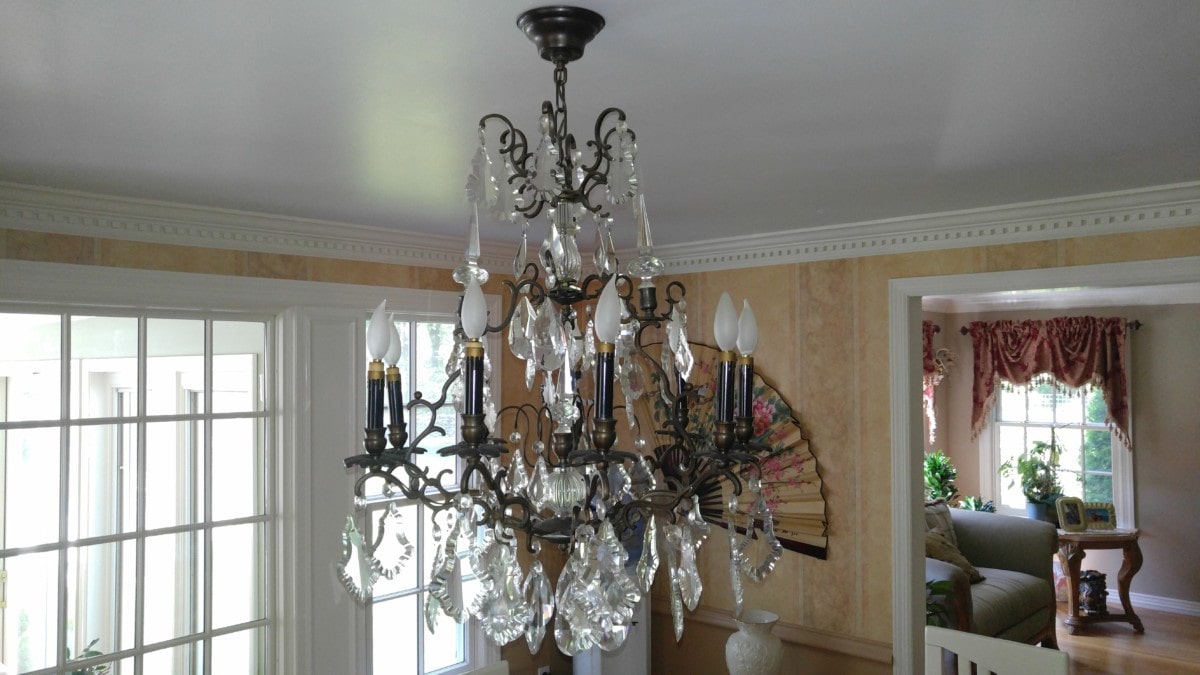
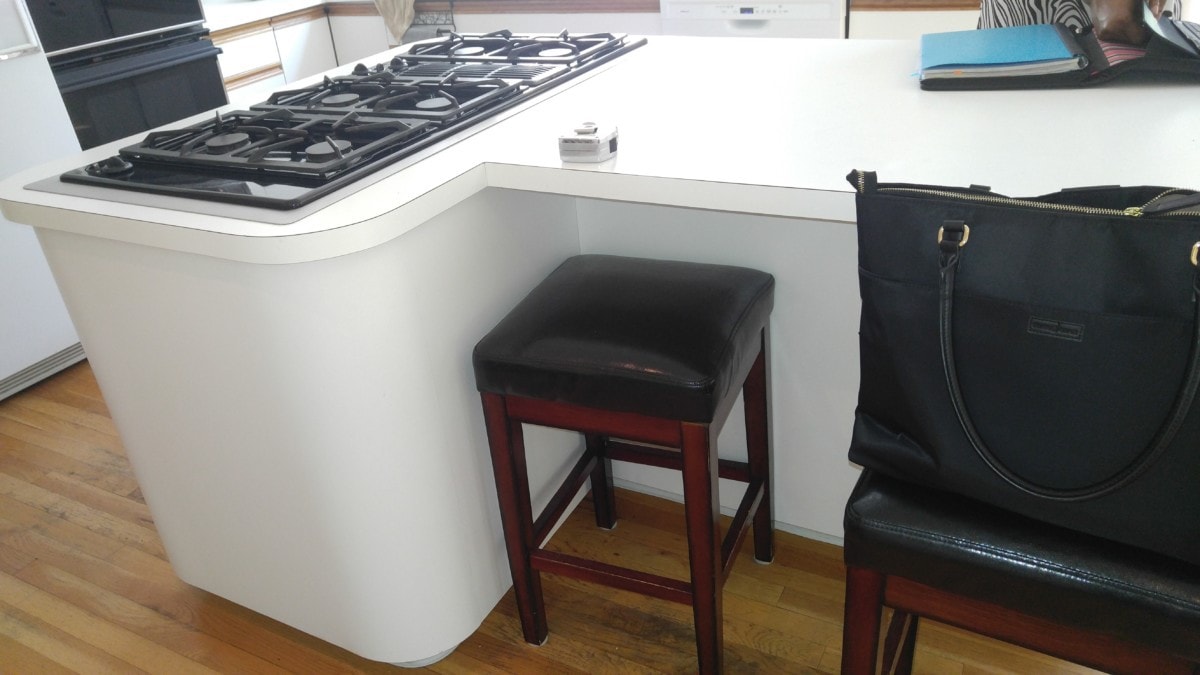
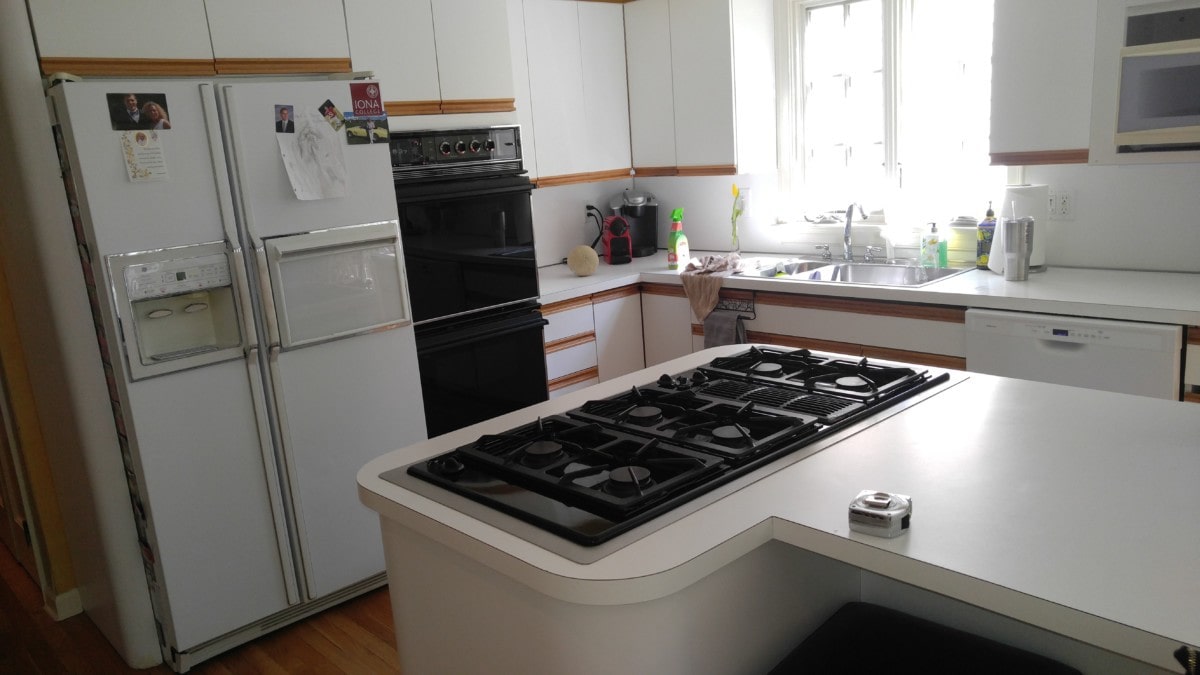
Appliances sat in the wrong relationship to one another. The island attempted to be both a social center and an active cooking zone. Circulation patterns crossed through prep areas. The refrigerator disrupted movement. The cooktop turned the island into a hazard during gatherings.
Nothing was catastrophic.
Everything was slightly wrong.
And slight inefficiencies compound.
The objective was not to remove walls or expand outward.
The objective was to recalibrate how the room behaved.
The Diagnostic Phase: Reading the Room Before Touching It
Before design drawings, we observed how the kitchen was actually being used.
Where did guests stand?
Where did the family enter?
Where did prep naturally occur?
Where did collisions happen?
The layout had been built around symmetry — not workflow. That distinction matters.
A kitchen is not furniture placement. It is choreography.
Once we understood the traffic patterns, the intervention strategy became clear.
VIDEO:
Surgical Relocation: Moving the Cooking Zone Off the Island
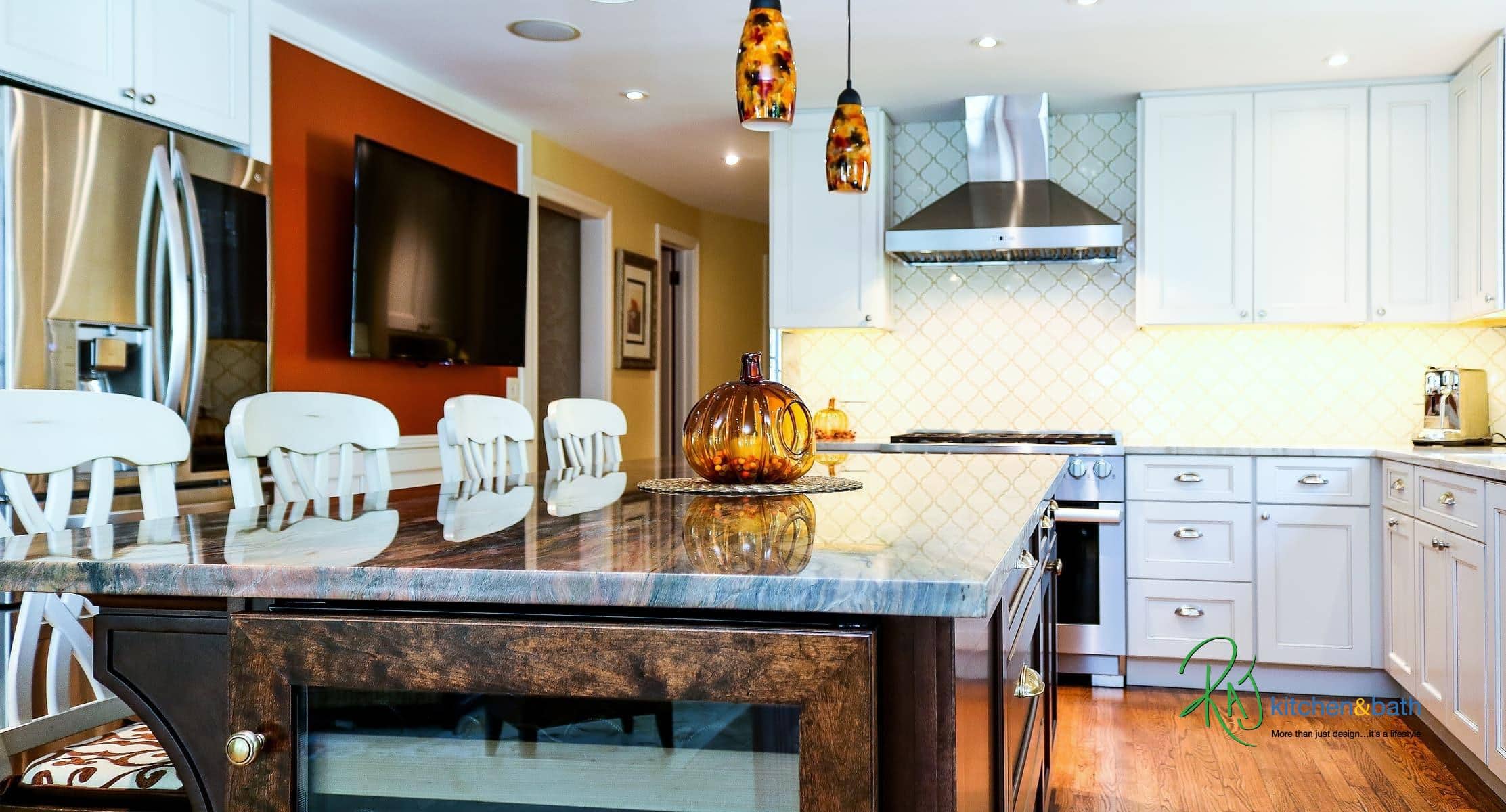
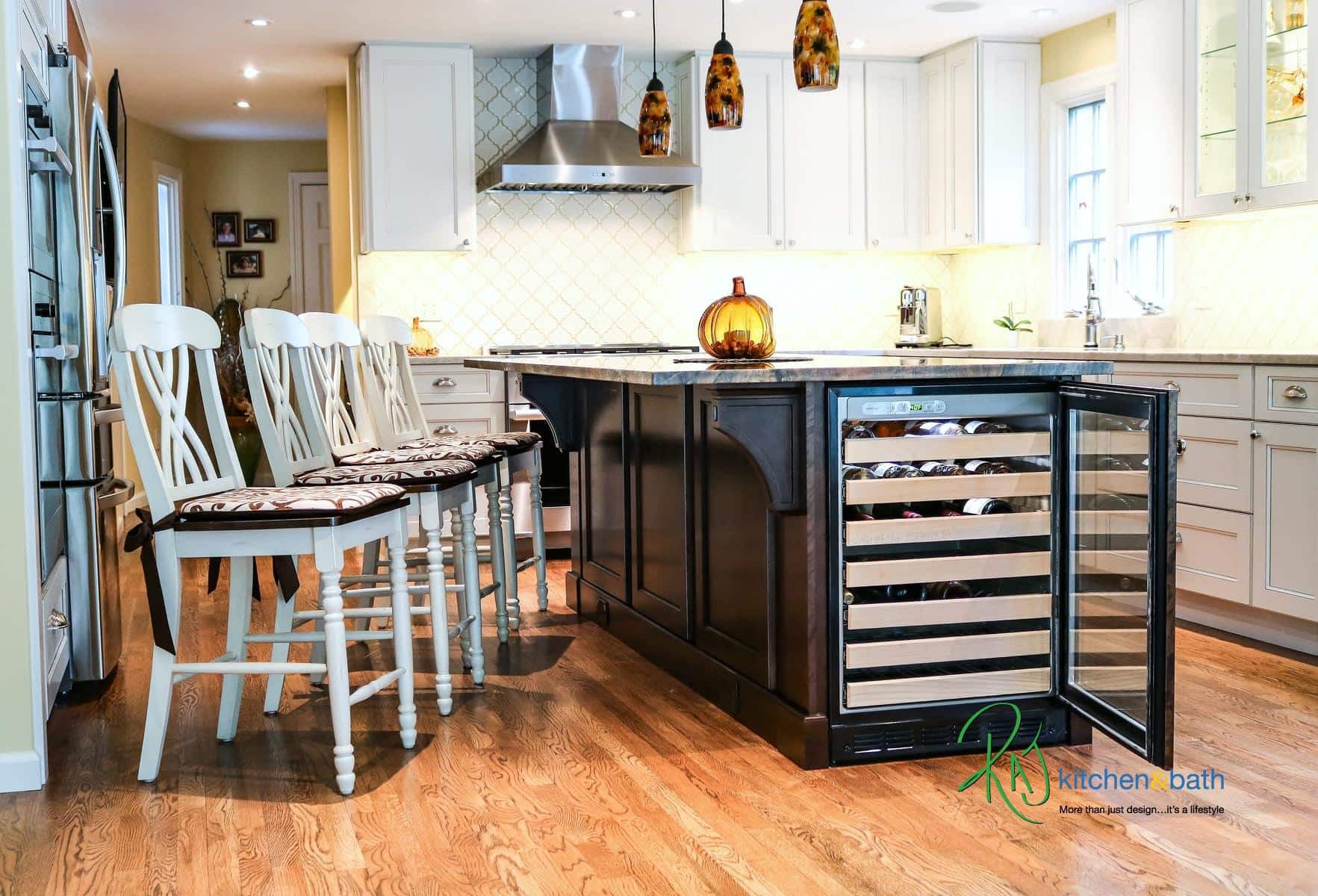
The cooktop was removed from the island and replaced with a full range positioned along the perimeter wall.
That decision alone redefined the room.
The island no longer functioned as a thermal barrier between host and guest. It became open. Clear. Social. Safe.
Sightlines improved. Movement widened. Conversation resumed without interruption.
The island shifted from obstruction to anchor.
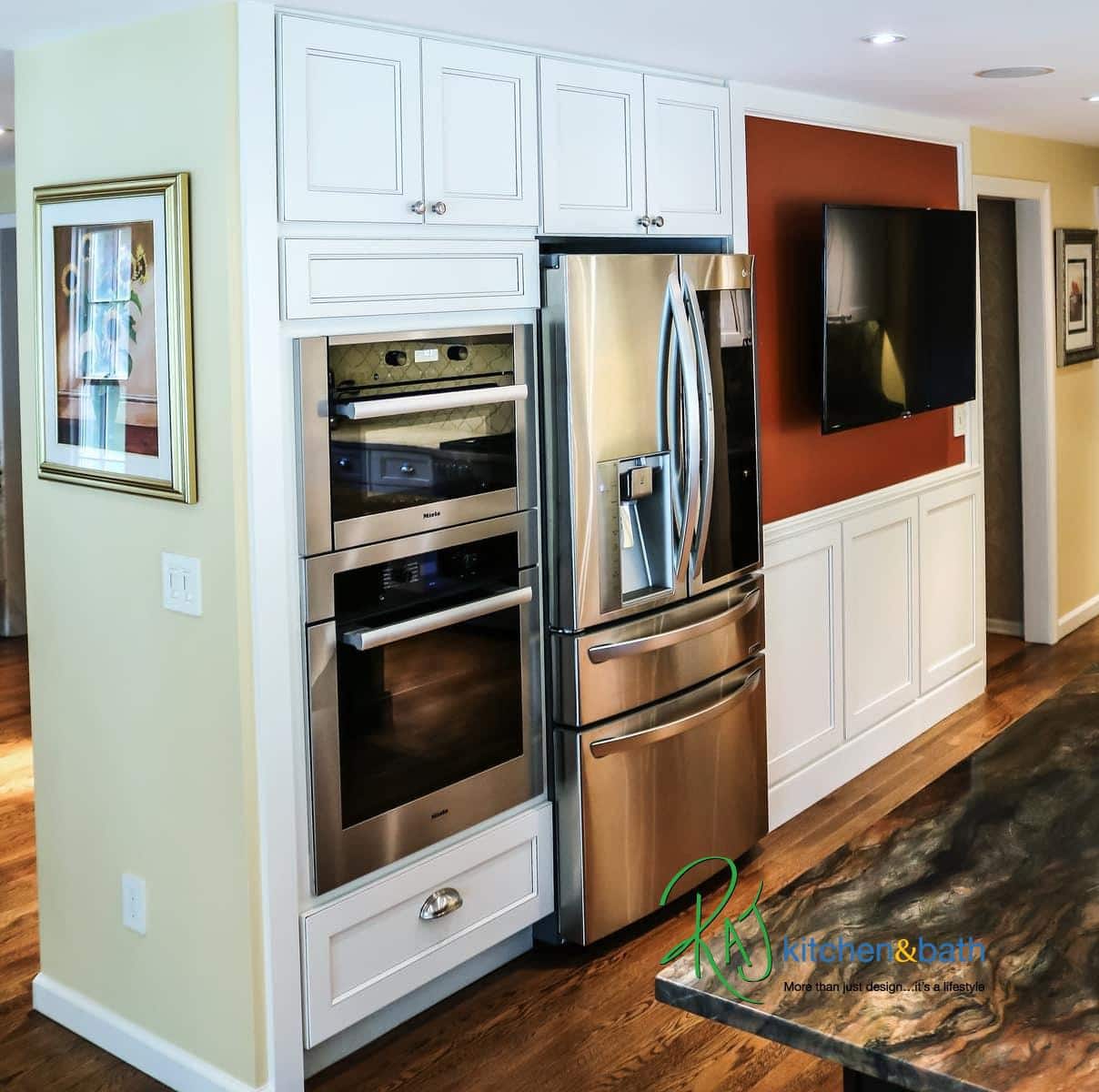
Recessing the Refrigerator: Gaining Inches That Changed Everything
Rather than expanding the room, we recessed the refrigerator slightly into the adjacent wall cavity.
It was not dramatic.
It was decisive.
Those recovered inches restored circulation clearance around the primary cooking corridor. Door swing no longer conflicted with prep zones. Traffic no longer stalled at the hinge point of the kitchen.
Optimization is rarely loud.
It is precise.


Reprogramming the Island
With the heat source removed, the island could finally do what it was meant to do.
It became a staging surface during entertaining.
A prep platform during cooking.
A gathering point without safety compromise.
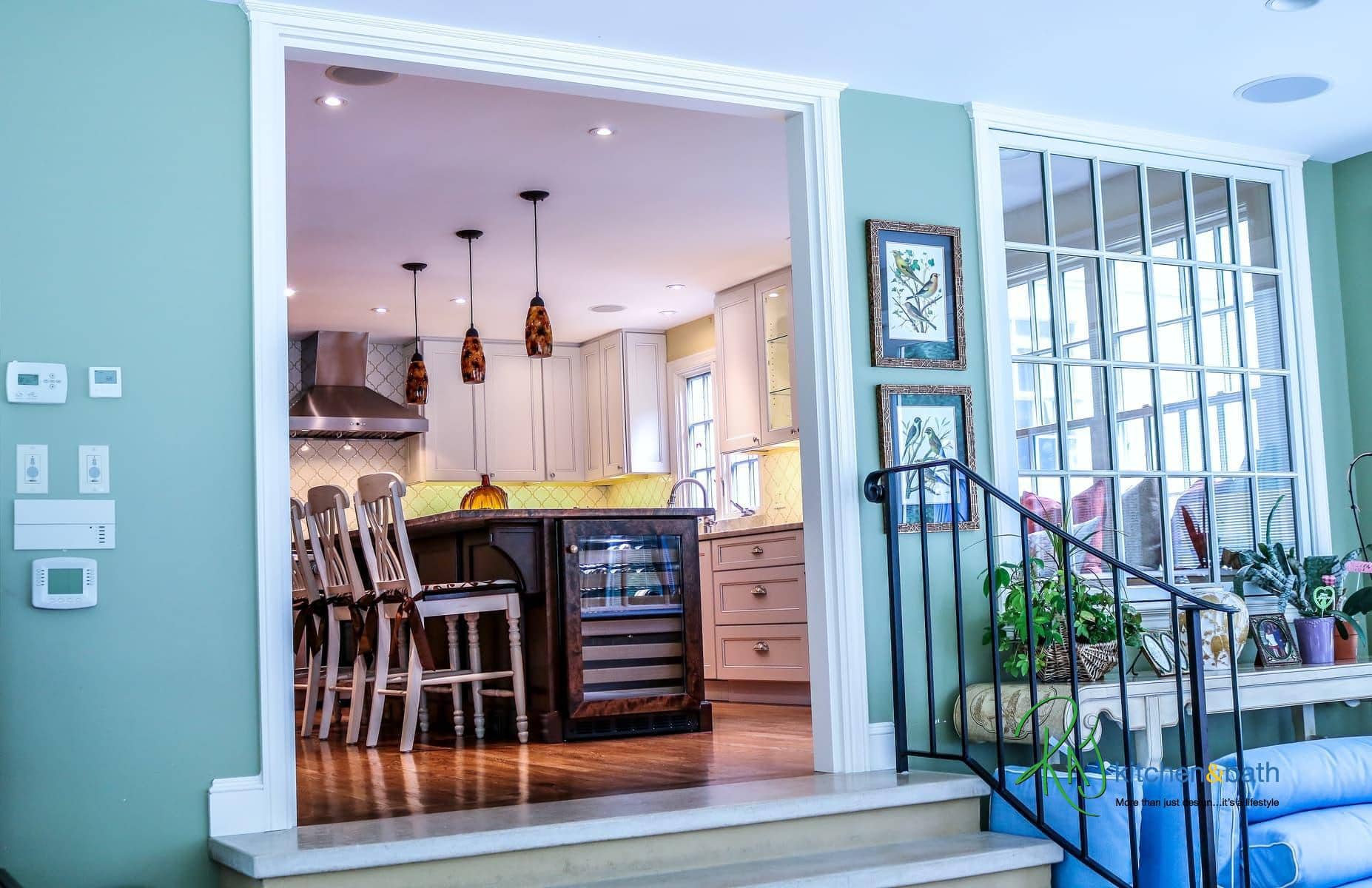
A transitional bridge between kitchen and adjacent living spaces.
The island did not grow dramatically in scale.
It grew in purpose.
Designing for Entertaining Without Expanding
This is a family that entertains.
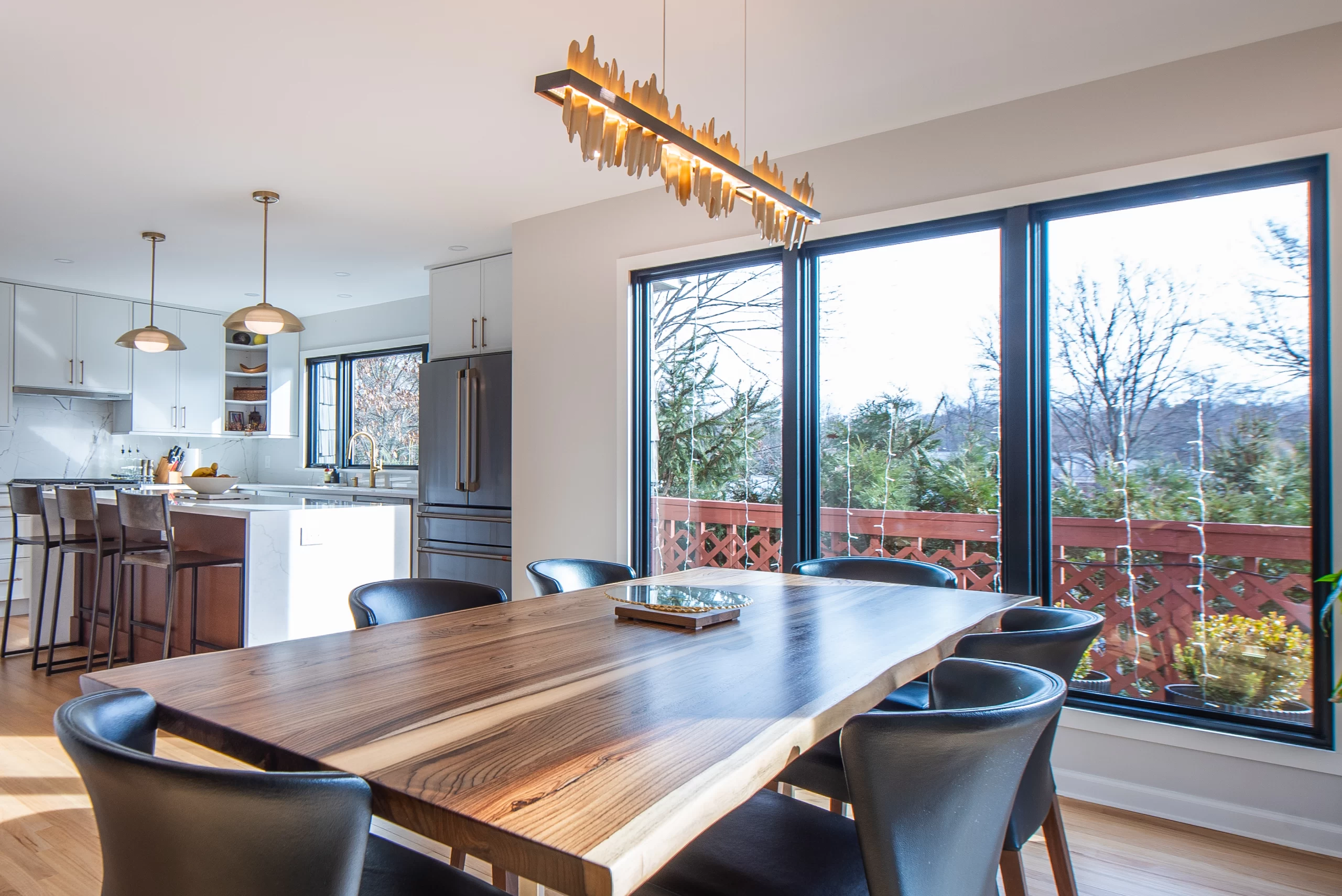
The redesign allowed simultaneous activity without collision. Multiple cooks could work without blocking entry. Guests could gather without obstructing workflow. The connection to the dining and four-season spaces strengthened naturally because traffic lanes were clarified.
No square footage was added.
But usable space increased.
That is the difference between expansion and optimization.
Project Summary
This kitchen layout reconfiguration focused on optimizing appliance placement, circulation patterns, and island functionality without expanding the home’s footprint. By relocating the cooking zone, recessing the refrigerator, and redefining the island’s role, the space transitioned from congested to coordinated — improving safety, entertaining flow, and daily usability. While this project was completed in Greenwich, CT, our team regularly serves homeowners throughout Westchester County and the surrounding area. Projects like this reflect our broader approach to kitchen remodeling services in Westchester County, where layout intelligence always precedes demolition.