


Project Description
…”
A Smart Bathroom Remodel Without Expanding the Footprint
”…
…”
A Smart Bathroom Remodel Without Expanding the Footprint
”…
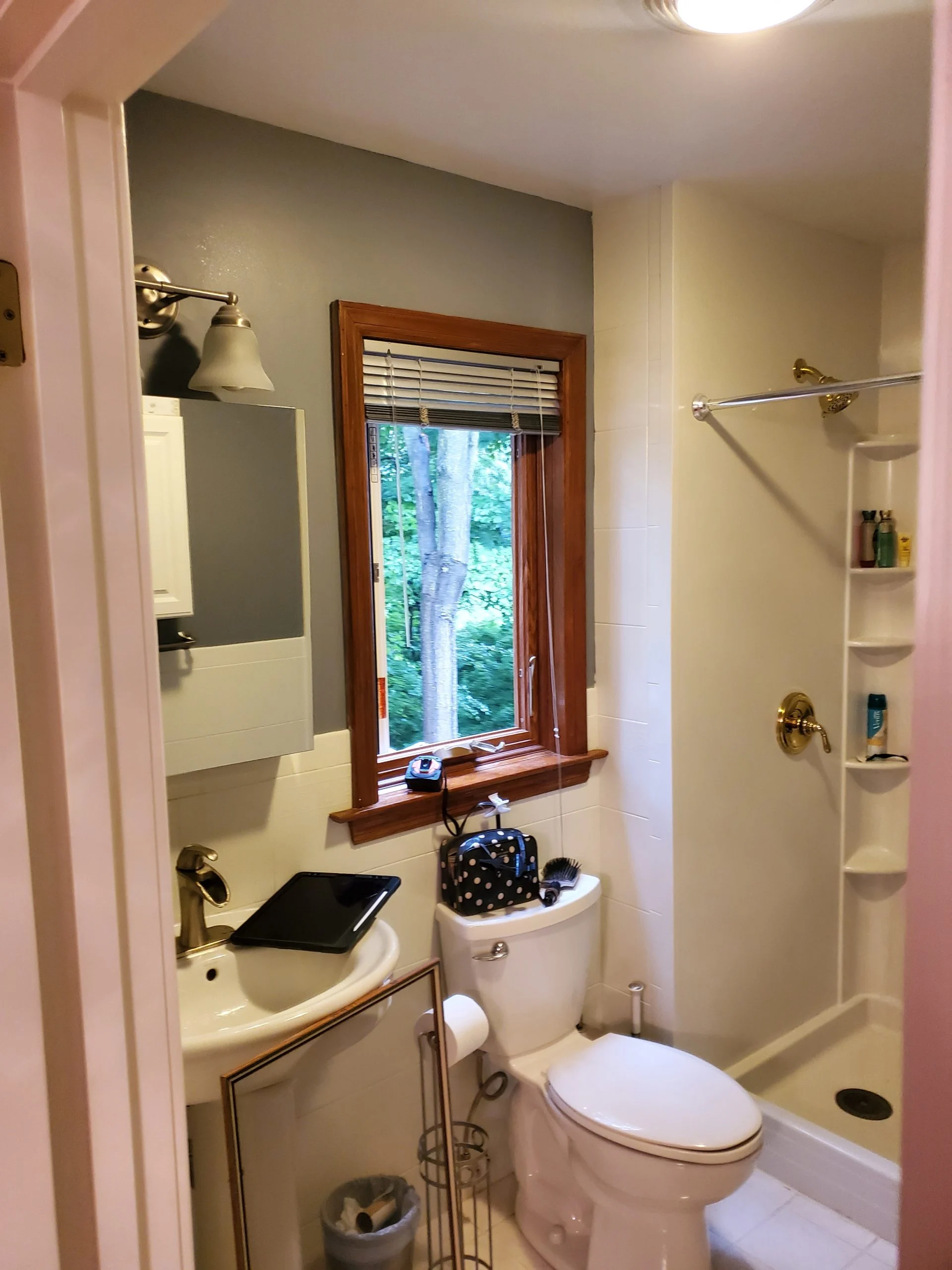
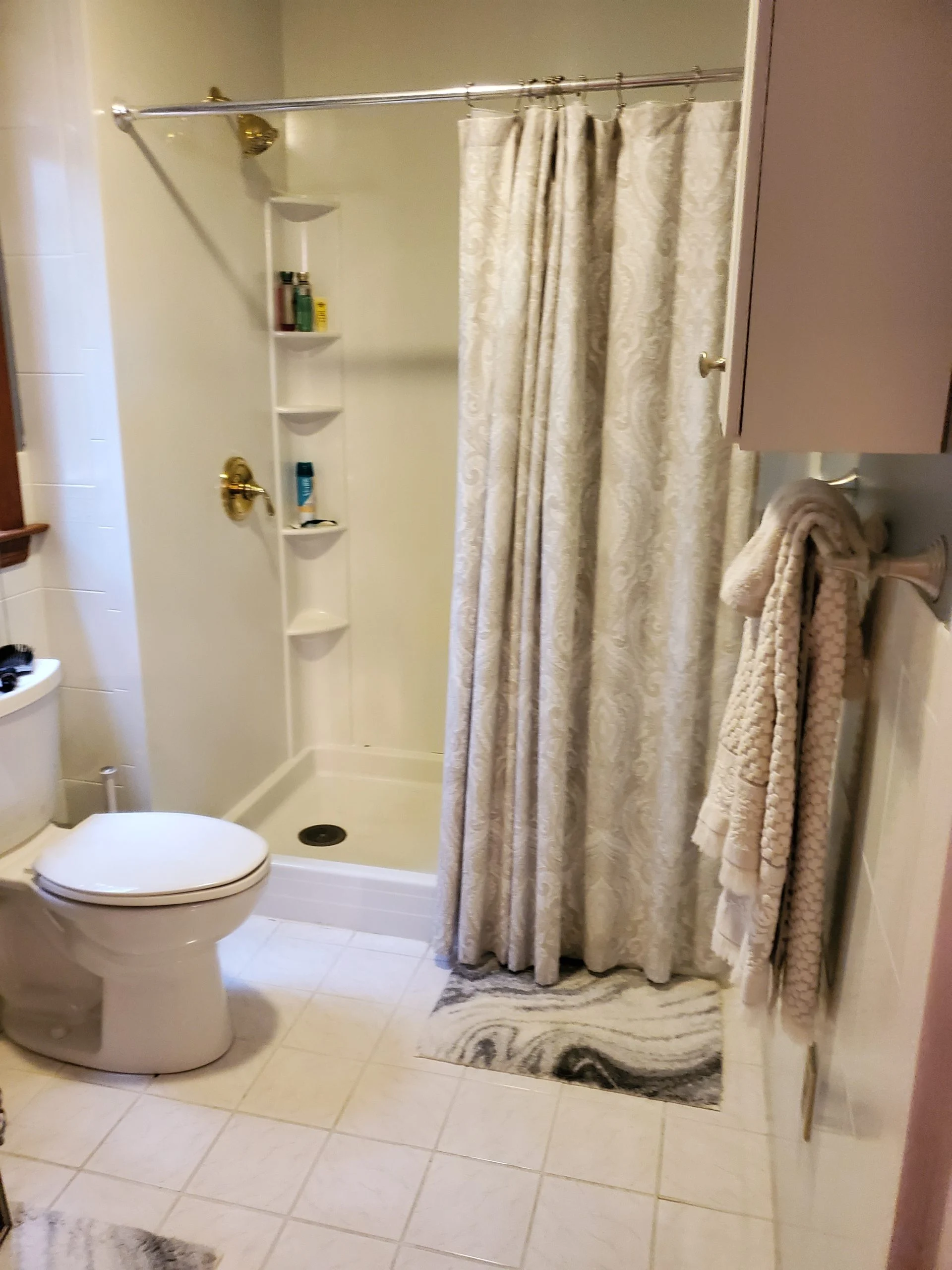
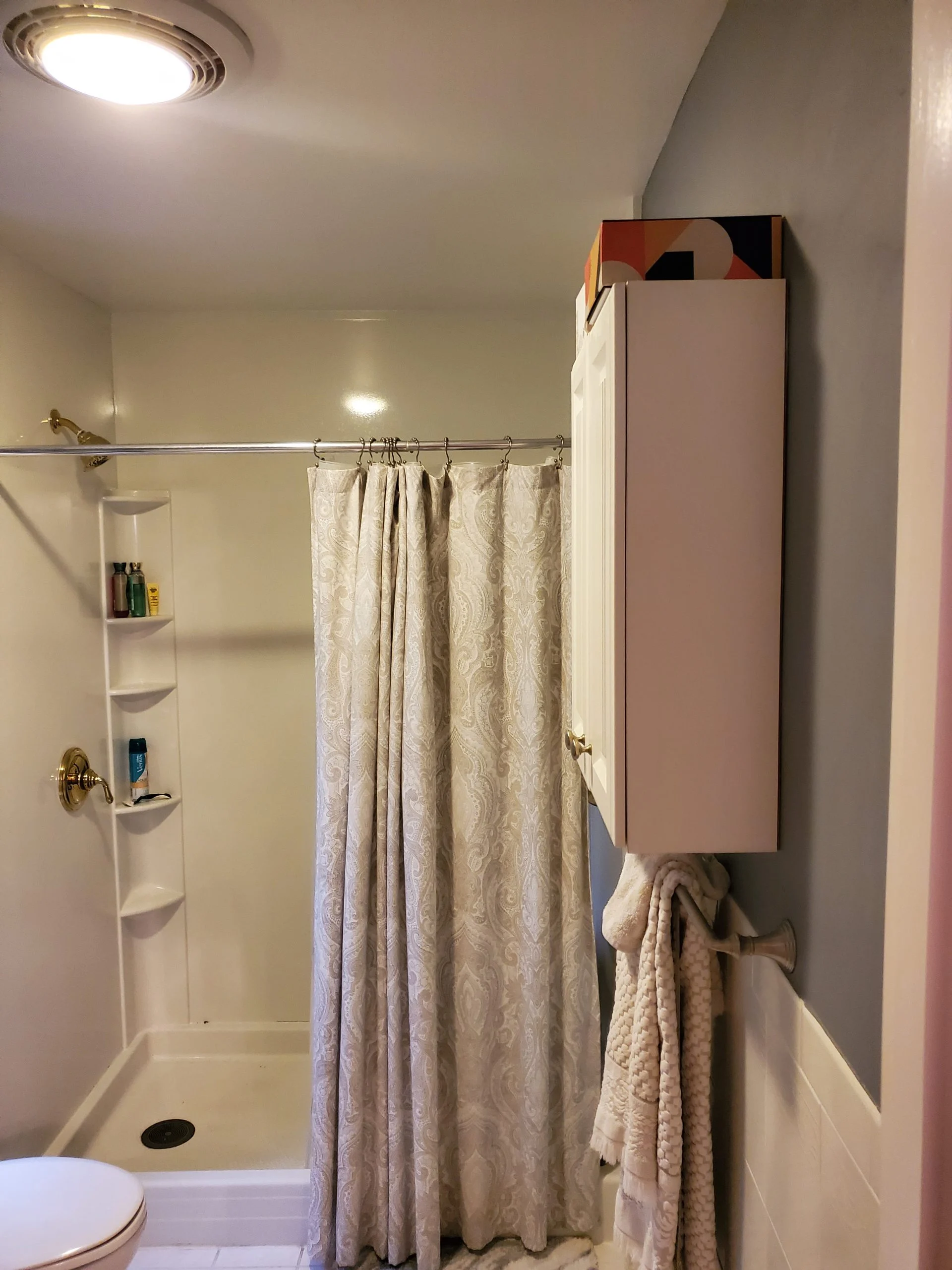
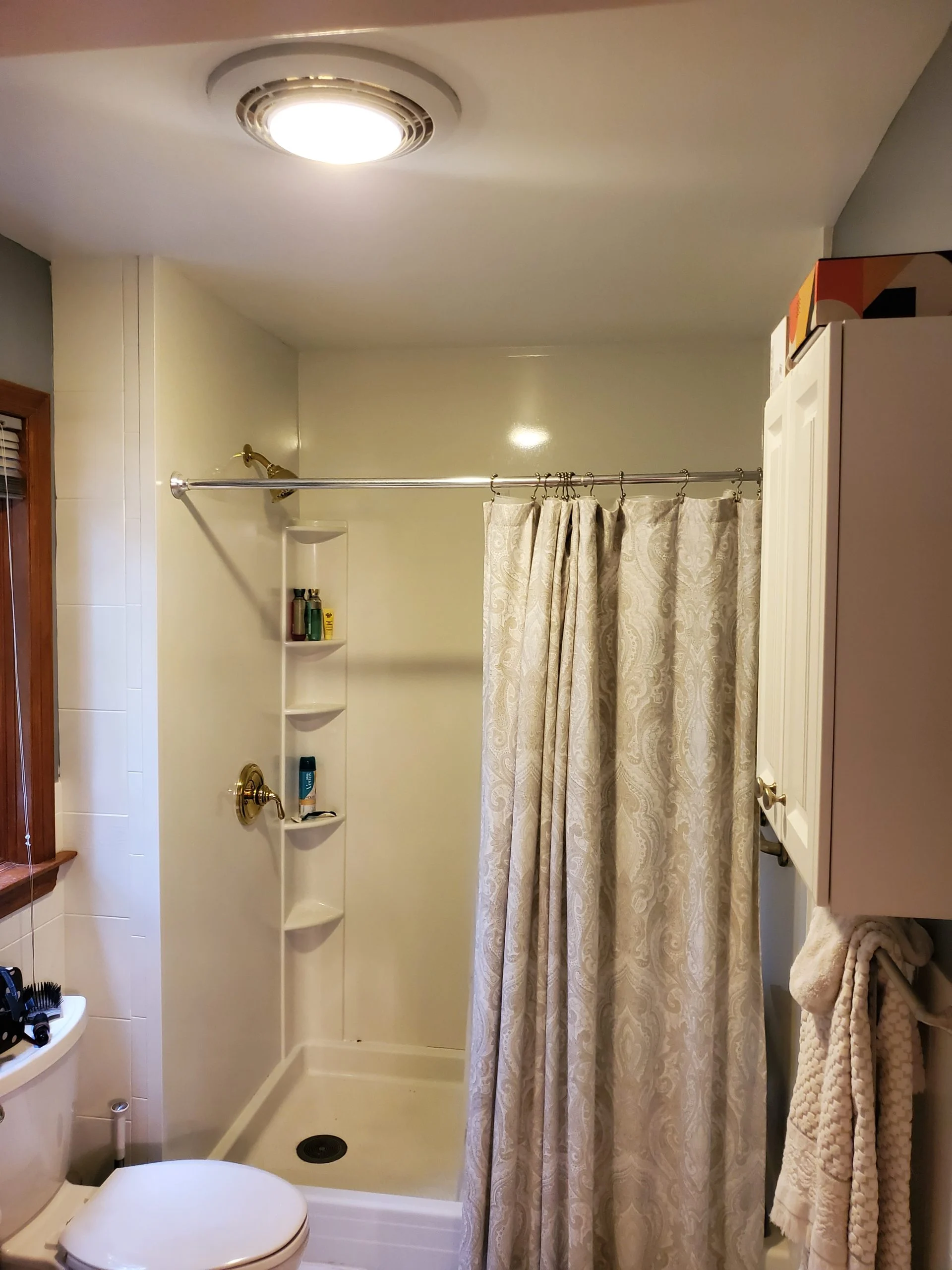
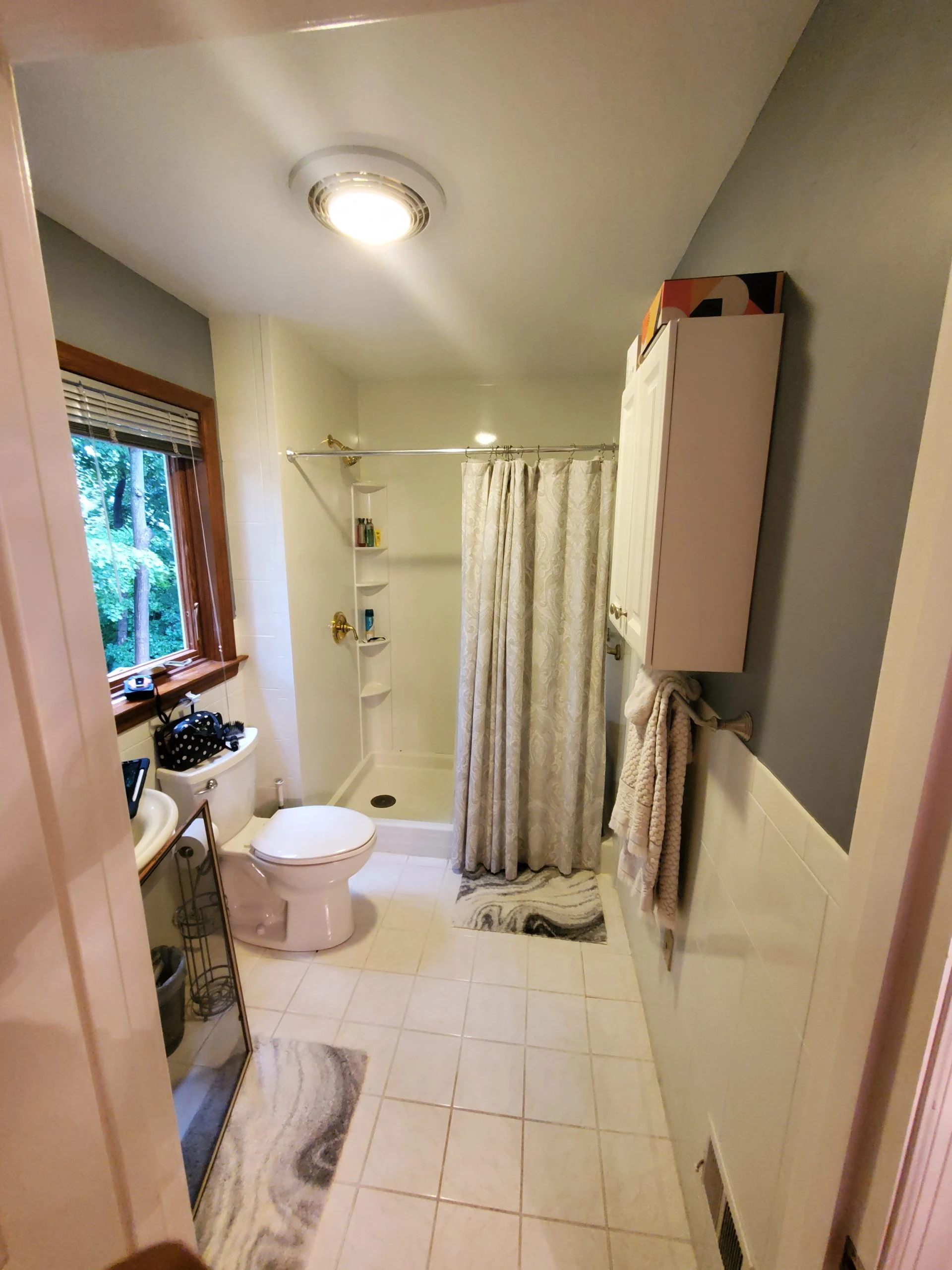
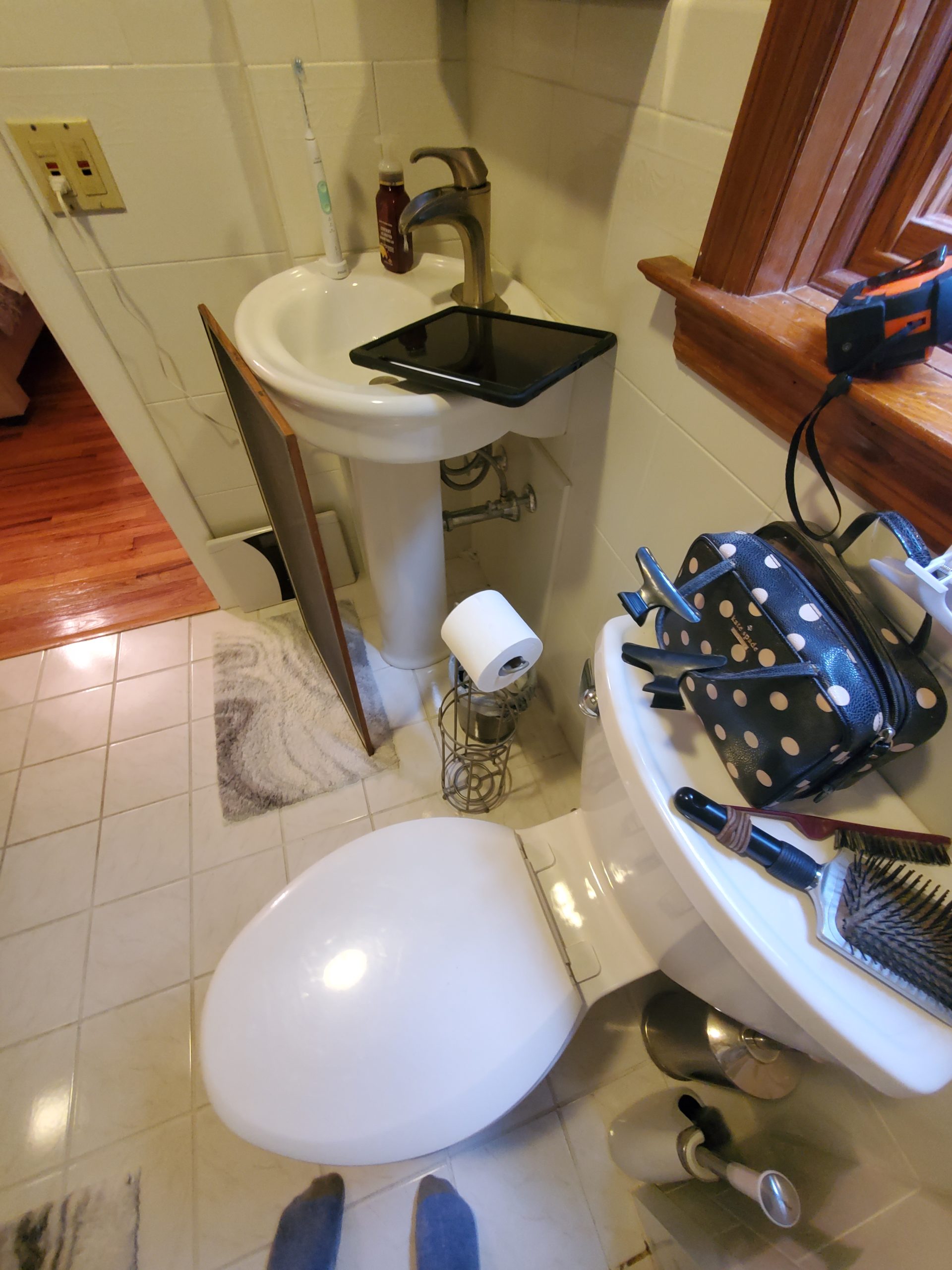
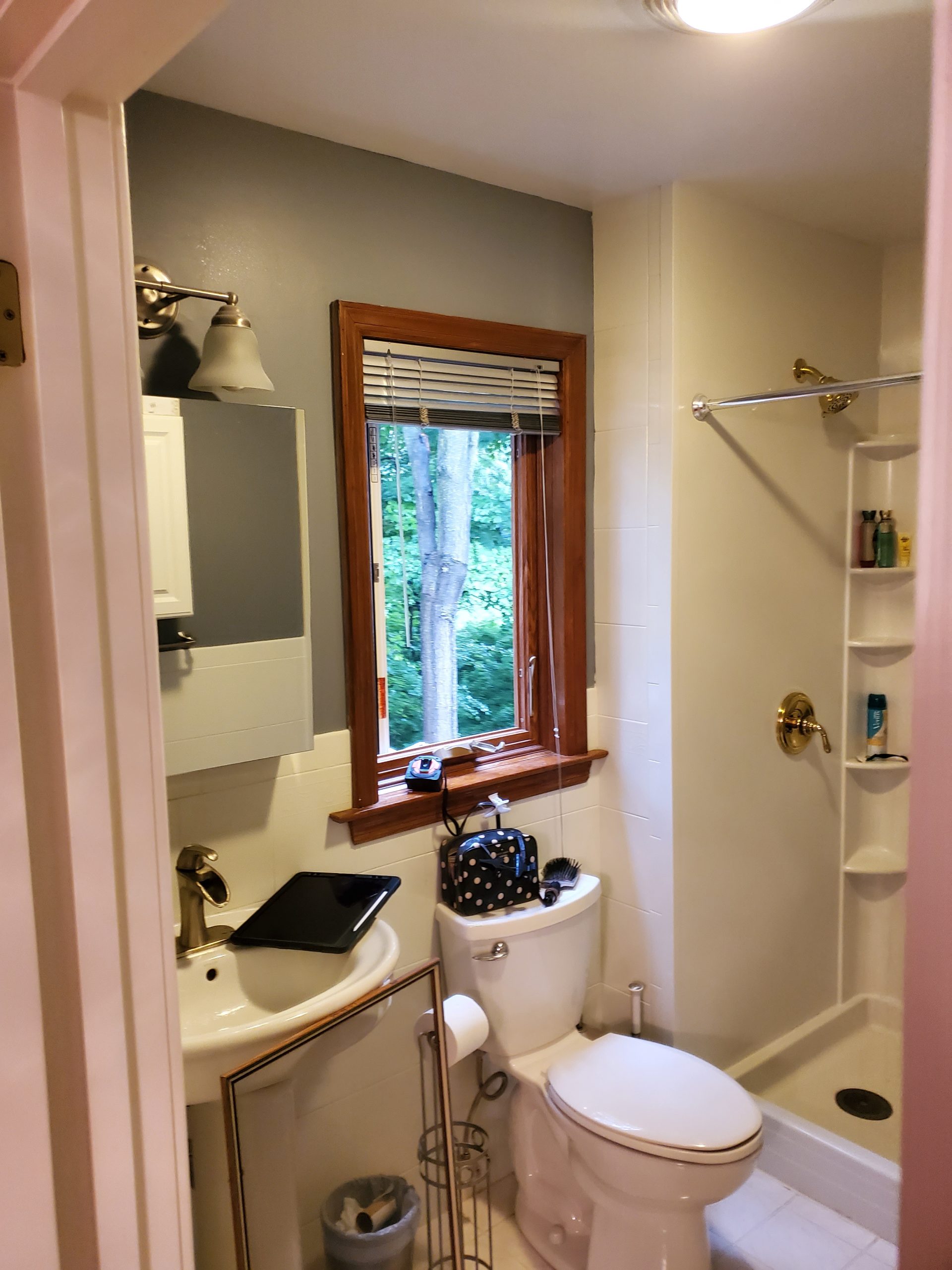
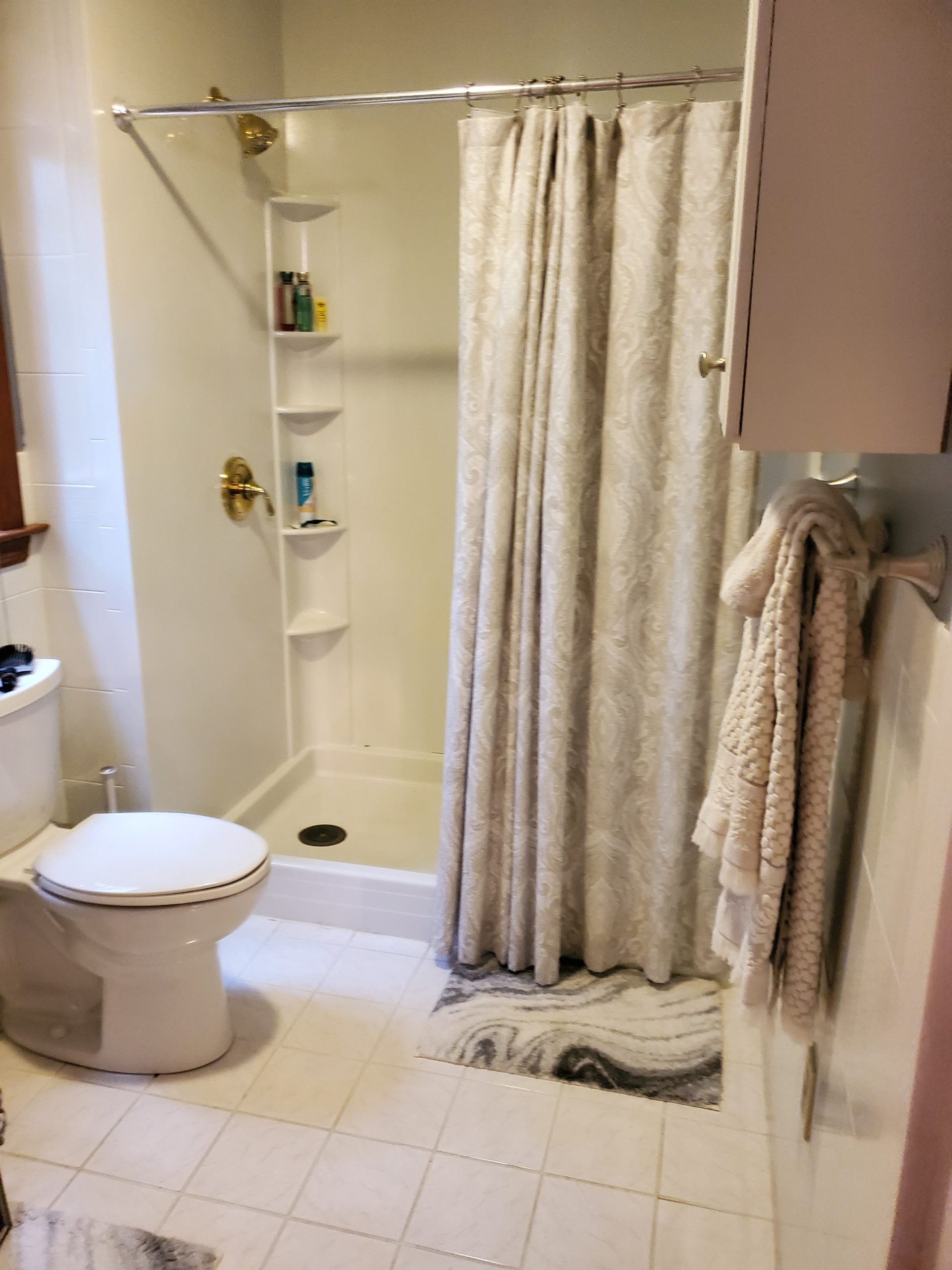
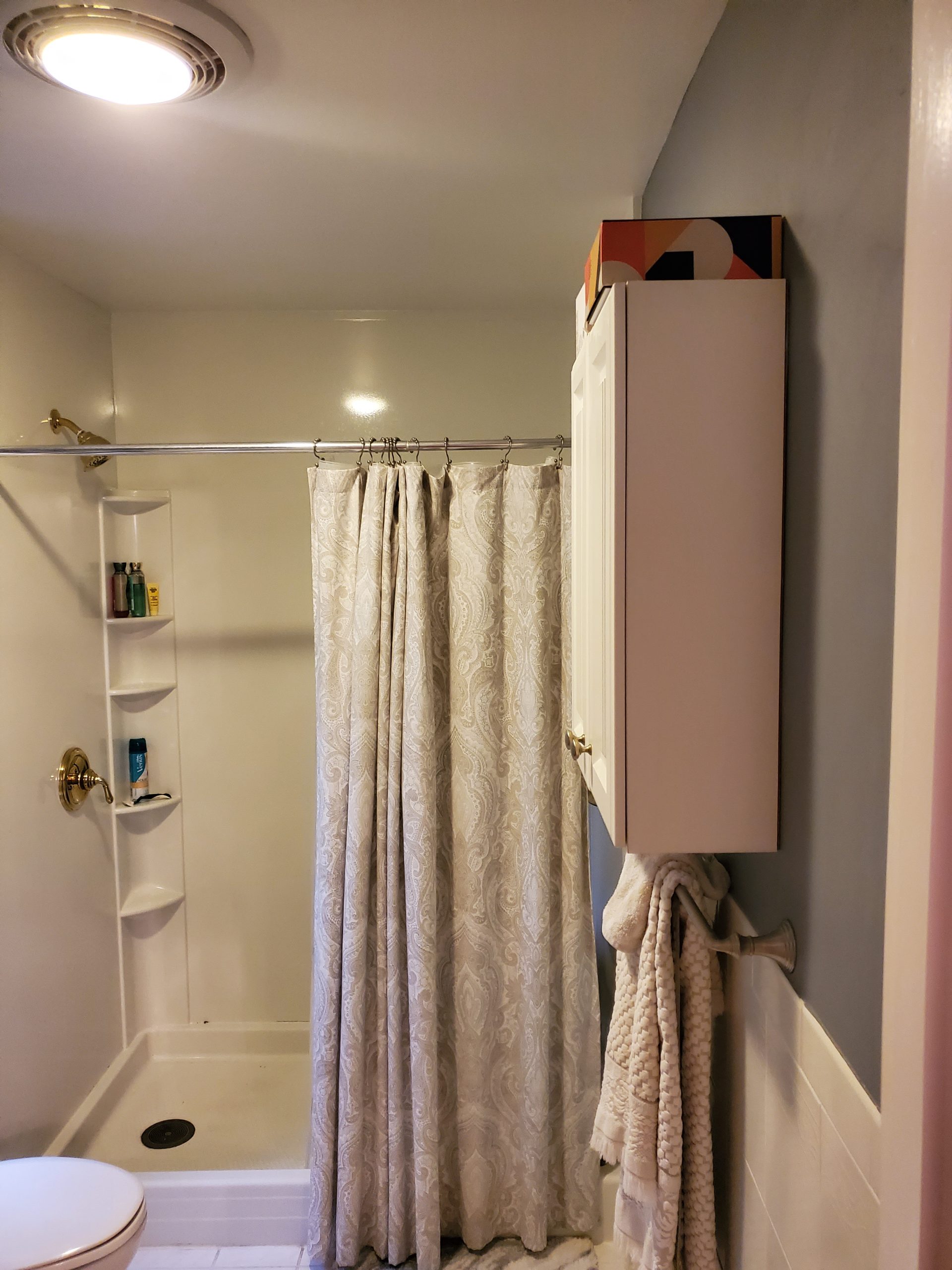
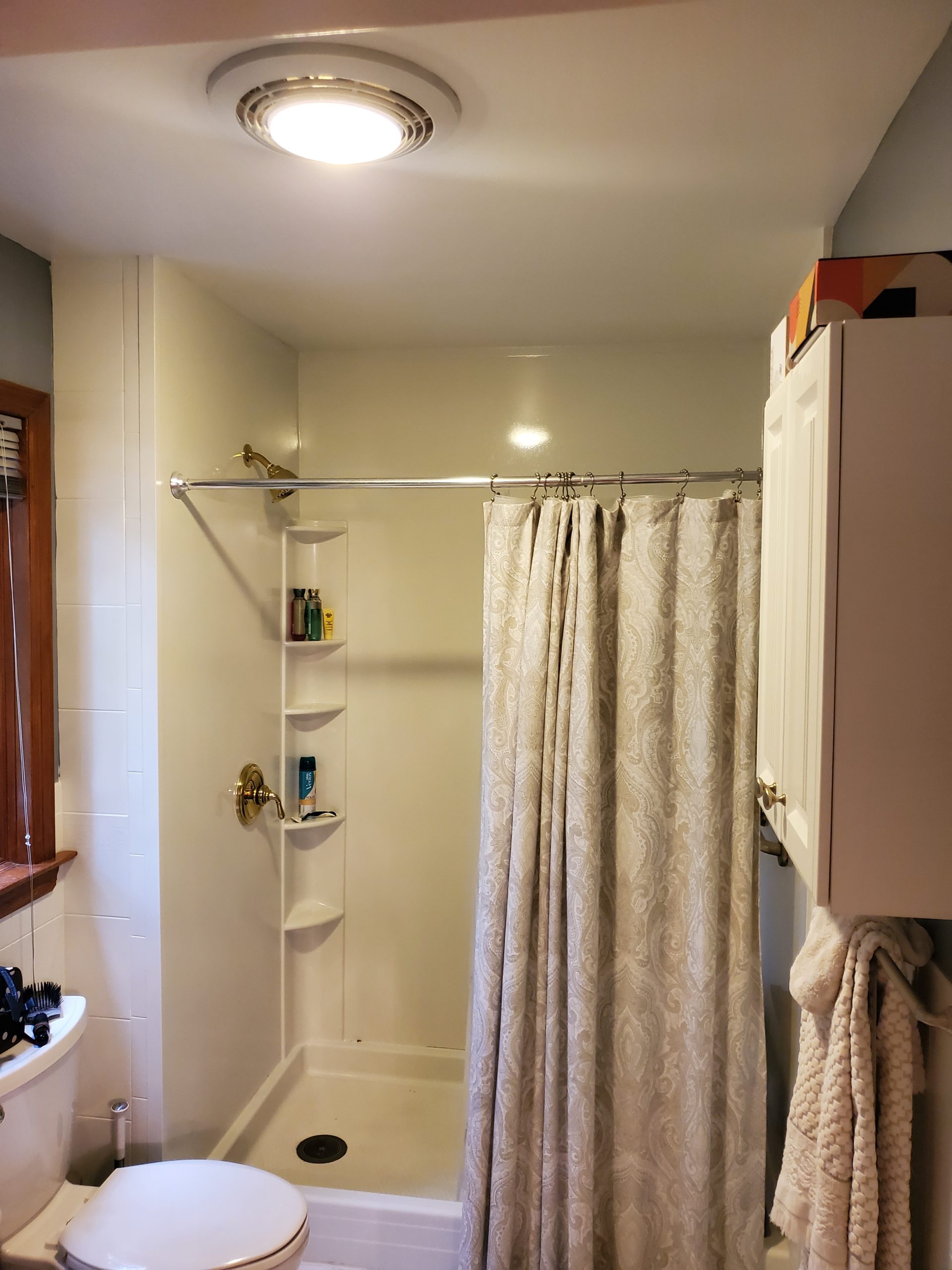
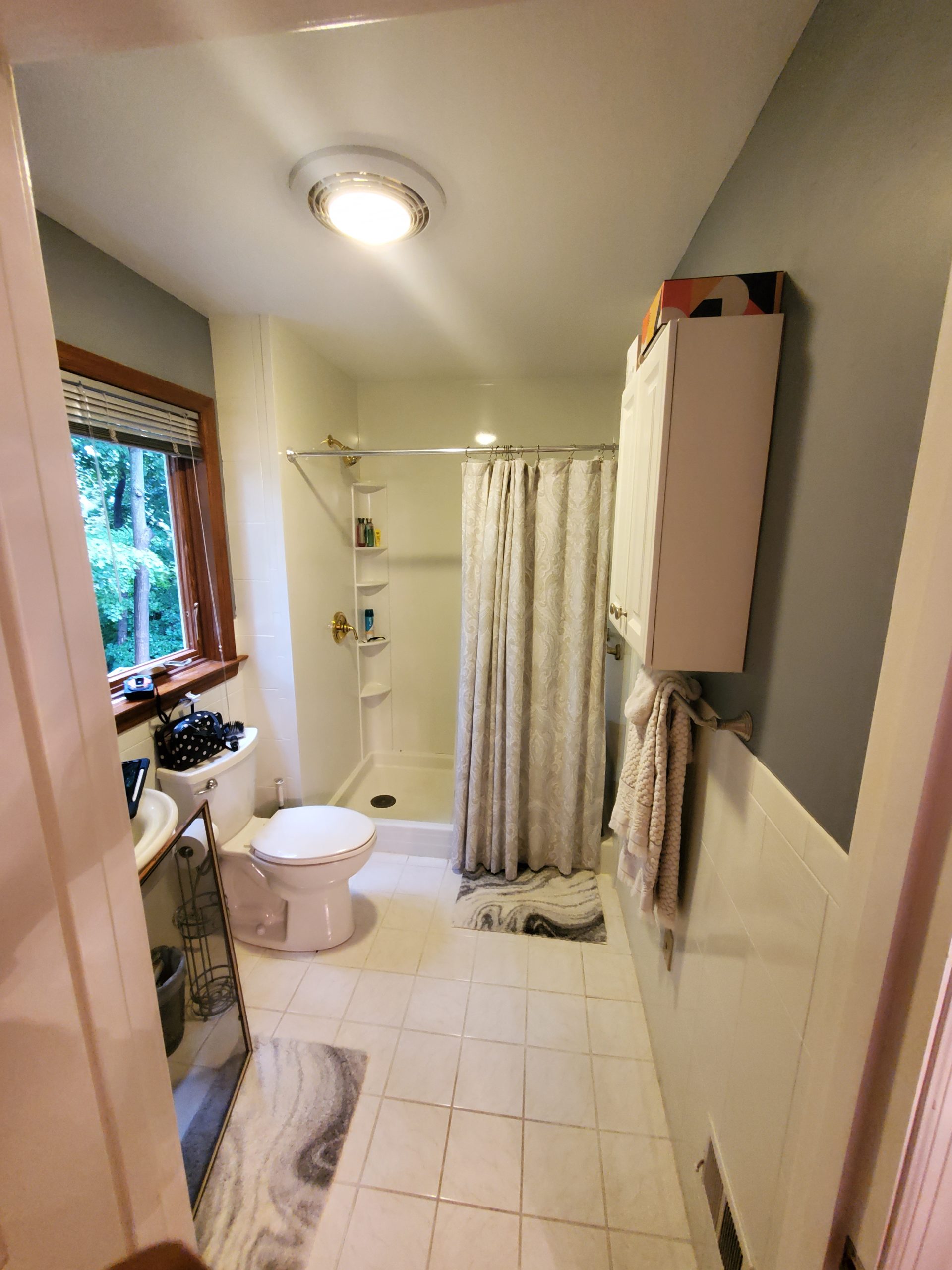
This bathroom remodel in Westchester County is a study in what thoughtful planning and architectural restraint can achieve — a completely transformed space without expanding the footprint.
The homeowners always felt this bathroom could function better, but like many older homes in Westchester, the layout was inherited rather than designed. Although the room was compact, it carried a heavy load: it served as the primary shared bathroom for multiple bedrooms on the floor, making storage, durability, and daily usability critical.
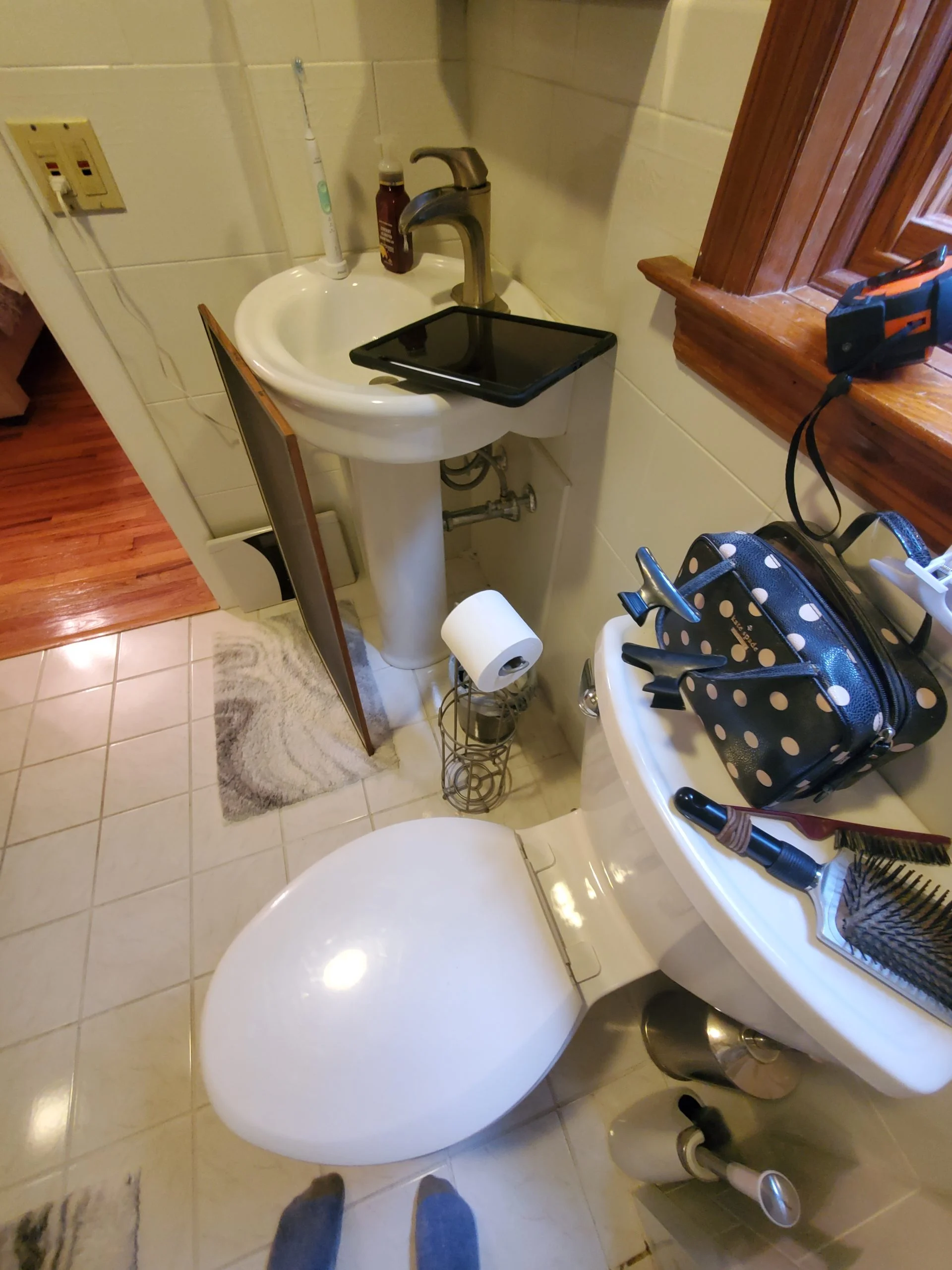
Despite its importance, the original layout forced severe compromises. The only sink that could fit was a pedestal, leaving no counter surface and zero storage — an impractical solution for a high-traffic family bathroom. The space felt tight, inefficient, and dated, not because it was small, but because it was poorly organized.
Structural constraints ruled out expansion. The bathroom was framed between a bedroom and the staircase, and any attempt to grow the room would have yielded marginal gains at disproportionate cost — a poor return both functionally and architecturally.
That’s where RAJ Kitchen & Bath was brought in: to rethink the space holistically and extract more performance from the same square footage.
Diagnosing the Layout: Understanding the Spatial Conflict
In older homes, bathrooms were often assembled around fixtures rather than designed around use. That was the case here.
The first issue we identified was fixture competition. The tub and toilet were positioned on the same wall, both demanding depth and clearance. As a result, the vanity — arguably the most used element in the room — was reduced to an afterthought.
The original layout revealed a common issue found in older homes: fixtures were positioned based on convenience rather than use. The tub and toilet were compressed along the same wall, creating competing clearances and forcing the vanity into an undersized role. As a result, the room lacked usable counter space, storage, and visual balance. Circulation through the space was inefficient, and oversized elements—such as the original radiator—further restricted functionality. While the bathroom itself was small, the real limitation was not square footage, but how the space was allocated and prioritized.
Watch the Transformation
Equally problematic was the oversized radiator. Common in early 20th-century construction, it was sized for a different era of insulation standards and heating strategies. While effective thermally, it consumed valuable real estate that the room simply couldn’t spare.
Rather than applying cosmetic upgrades to a flawed plan, we focused on rebalancing the room’s hierarchy — allowing each fixture to occupy space proportional to how it’s actually used. Explore Our bathroom Remodeling service.


Reallocating Space Without Moving Walls
The redesign centered on separating competing elements and assigning each a clearer role.
-
The tub was relocated to its own dedicated wall, allowing it to read as a single, intentional volume
-
The toilet remained in place to limit unnecessary structural and plumbing disruption
-
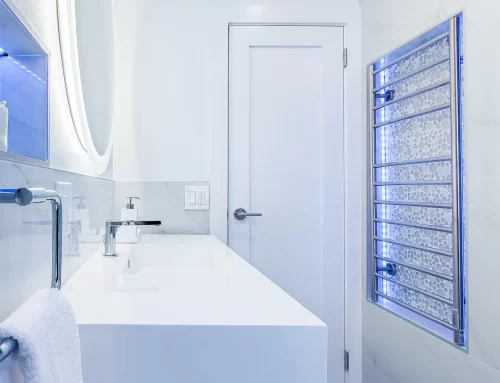
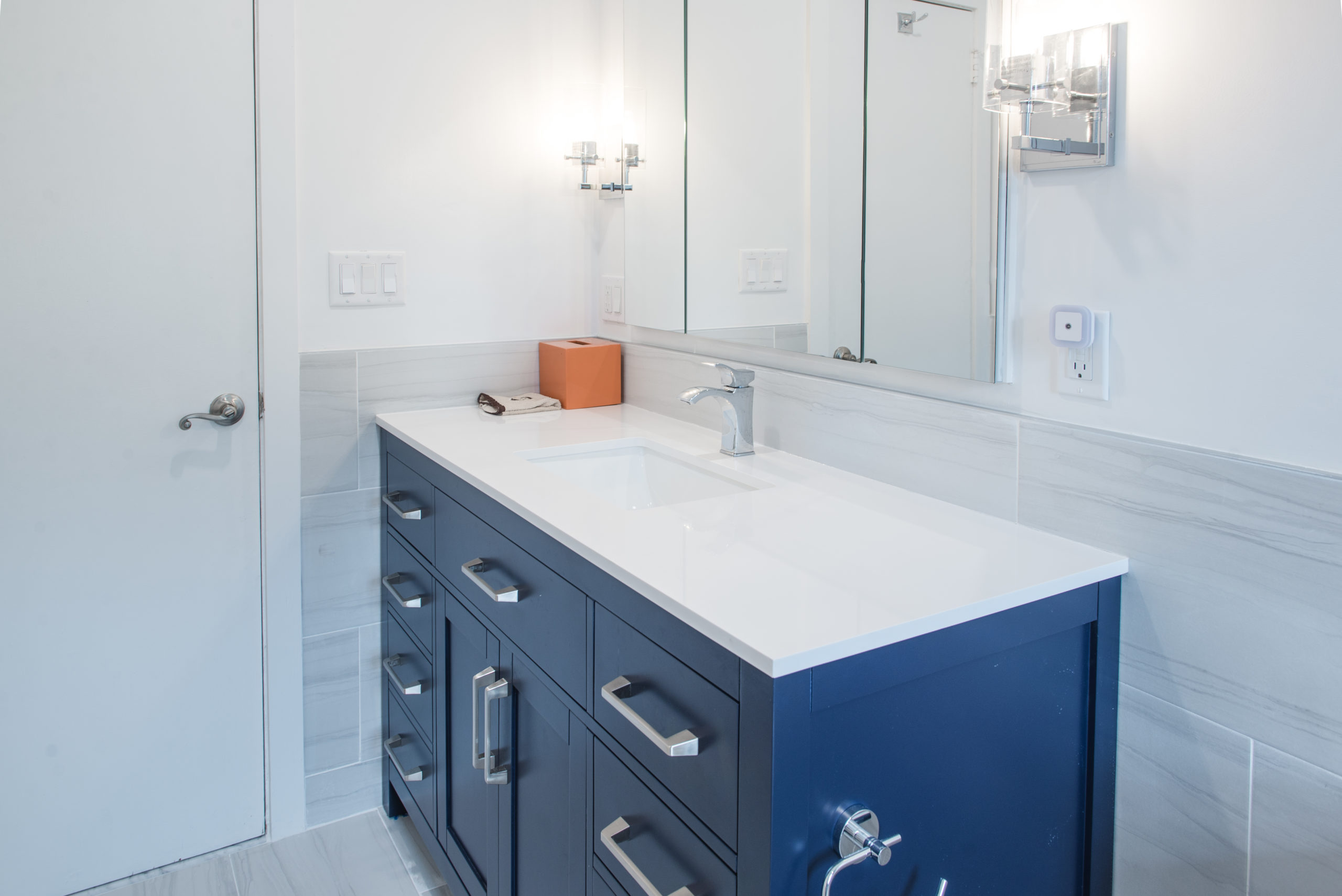
The original tub wall was reclaimed to create a full-scale custom vanity zone, something the bathroom had never been able to accommodate before
This shift wasn’t about adding space — it was about redistributing it intelligently.
To support a deeper vanity without overwhelming the room, we specified wall-mounted faucets, freeing the countertop from traditional constraints and allowing the cabinetry to work harder below.
Storage as Architecture, Not Add-On
Storage was treated as an integrated architectural element rather than an accessory.
We recessed an oversized medicine cabinet directly into the wall, aligning it with sightlines to maintain visual calm while dramatically increasing capacity. A second recessed cabinet on the adjacent wall improves balance, light reflection, and daily usability.
One of the most impactful moves came from reframing the bathroom entry. By replacing the traditional swing door with a pocket door, we eliminated door clearance conflicts and gained uninterrupted wall space — just enough to make the new tub placement possible.
Behind the tub, we introduced a custom-built storage cabinet, concealed yet highly functional. The homeowners leaned into the character of the house by using the cabinet door as a mounting surface for period-appropriate brass hooks — a detail that feels both intentional and authentic.
Modern Comfort Within a Historic Envelope
Heating was addressed with the same precision as layout.
The original radiator was replaced with a right-sized, recessed unit positioned beneath the window, restoring balance to the elevation and reclaiming usable space. This approach respects the home’s age while applying modern performance standards.
A custom glass enclosure was designed to sit cleanly over the tub, paired with a glass return atop a knee wall that subtly separates the bathing area from the hidden storage beyond. This maintains openness while providing just enough definition.
A Smarter Bathroom — Same Footprint, Better Living
This renovation demonstrates what’s possible when design decisions are driven by use, proportion, and architectural logic rather than square footage alone.
-
No expansion
-
No wasted space
-
Significantly improved storage and circulation
-
A bathroom that finally supports the way the home is lived in
This is the result of looking at a space not for what it is, but for what it can become.
Another happy client — and a reminder that the most effective renovations are often the most disciplined ones.
This renovation highlights how strong design decisions can outperform square footage. By rebalancing proportions, integrating storage into the architecture, and refining circulation, the bathroom now supports daily family use with ease. Every element was carefully considered — from fixture placement to recessed detailing — resulting in a space that feels intentional, efficient, and timeless. It’s a clear reminder that when layout and function lead the process, even the smallest rooms can deliver exceptional results.
Explore our Bathroom Remodeling Services in Westchester County