

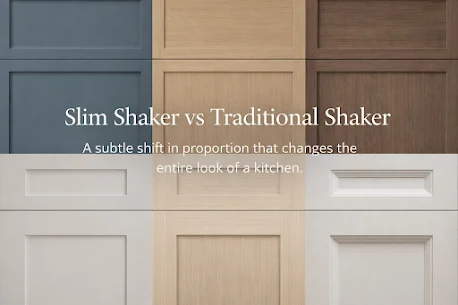
Slim shaker cabinet doors are quickly becoming one of the most talked-about variations of traditional shaker cabinetry. By narrowing the rails and stiles of the classic shaker door, designers are creating kitchens that feel lighter, more refined, and slightly more contemporary without abandoning the timeless structure that has made shaker cabinets so popular.
What Is a Slim Shaker Cabinet Door?
For decades, the shaker cabinet door has been one of the most recognizable and enduring styles in kitchen design. Its clean lines and balanced proportions allow it to adapt easily across traditional, transitional, and modern kitchens.
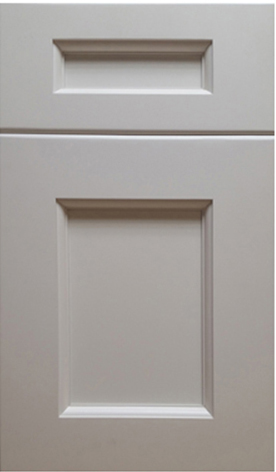
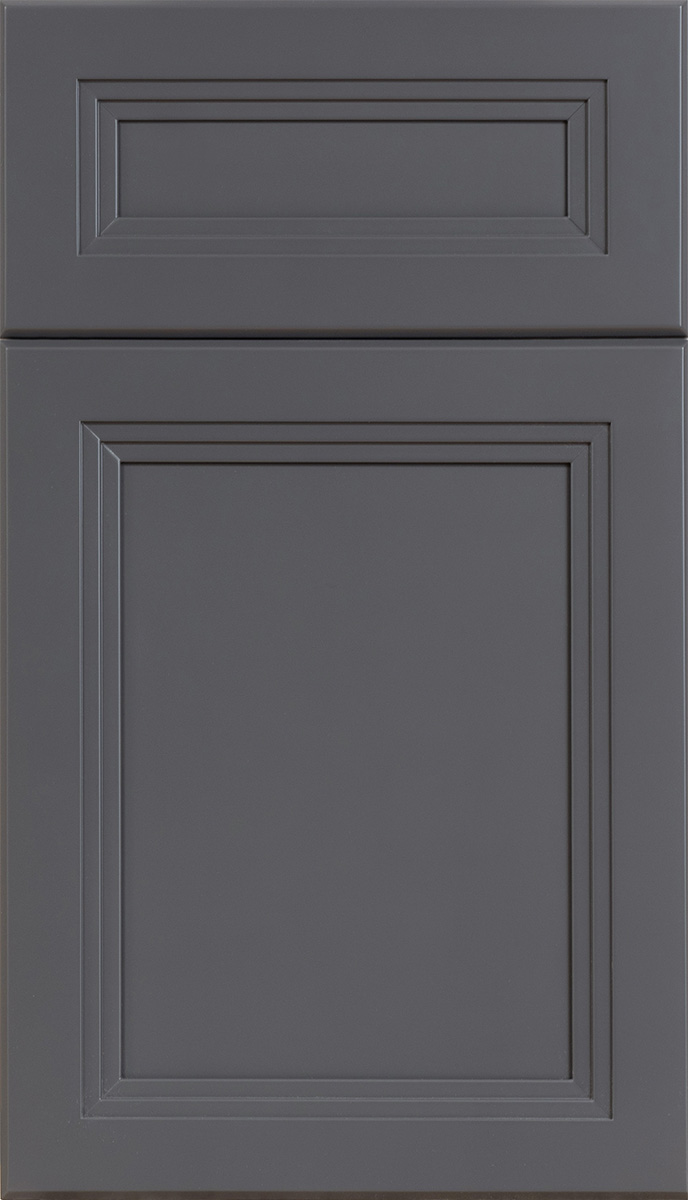
Over time, designers and manufacturers have experimented with subtle refinements to the classic shaker door. Some softened the inside edge of the frame with a light bevel, while others introduced pencil edges along the outer profile. Some paired shaker doors with slab drawer fronts to create a more contemporary mix, while others maintained the traditional shaker drawer to match the doors. There have even been variations where the inside edge was replaced with decorative profiles such as ogee moldings or wider bevels — all attempts to add character while still holding on to the recognizable structure that defines the classic shaker door.
The slim shaker represents one of the boldest evolutions of this idea so far.
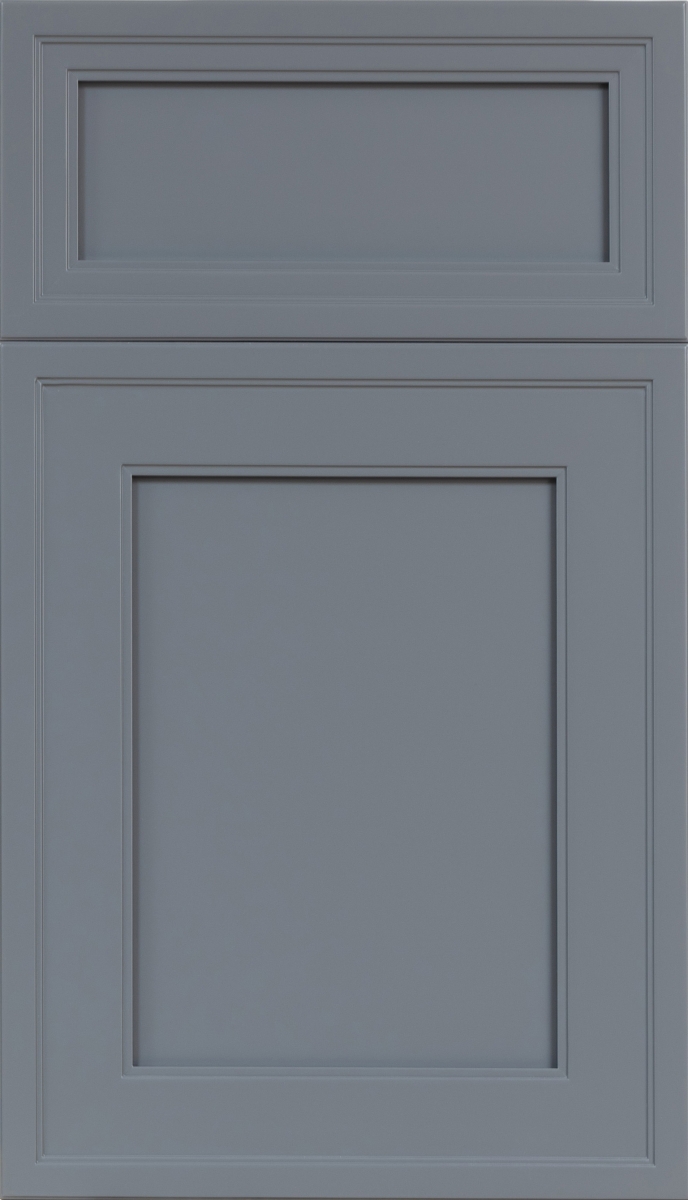
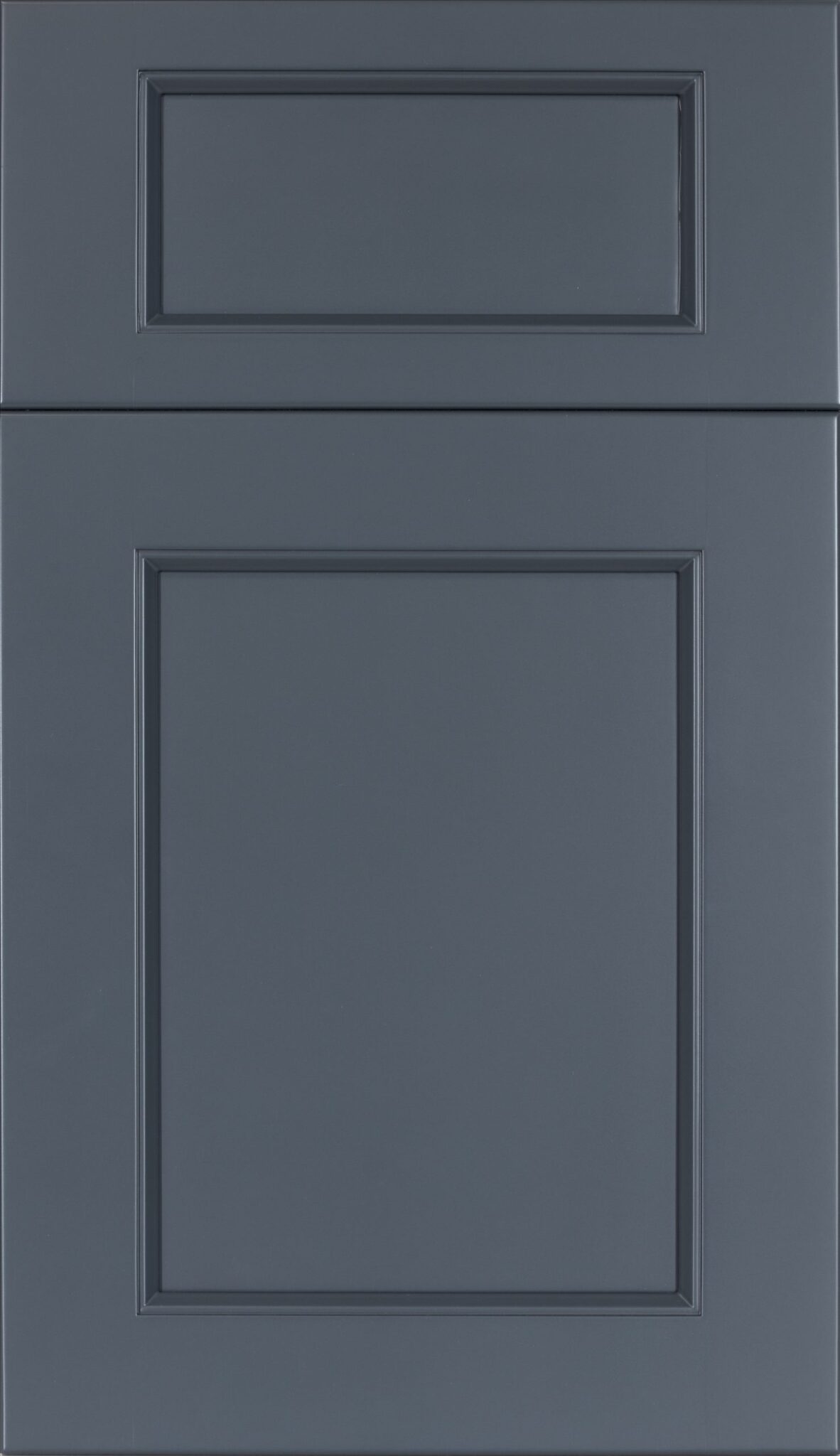
Rather than adding decorative profiles to the frame, the slim shaker refines the door by narrowing the frame itself. The result is a cabinet door that feels lighter and more contemporary while still maintaining the timeless five-piece construction that has made shaker cabinetry one of the most enduring choices in kitchen design.
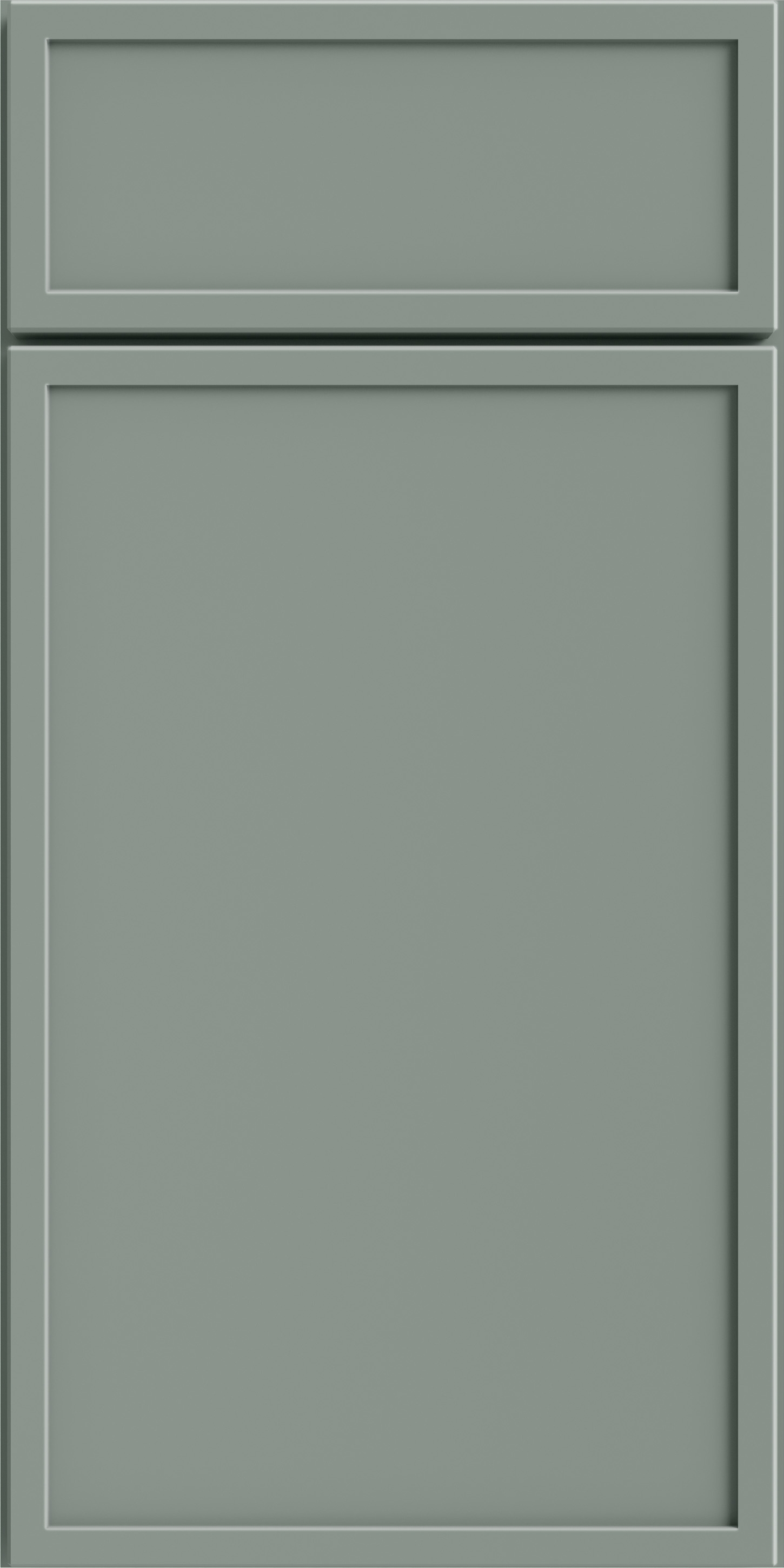
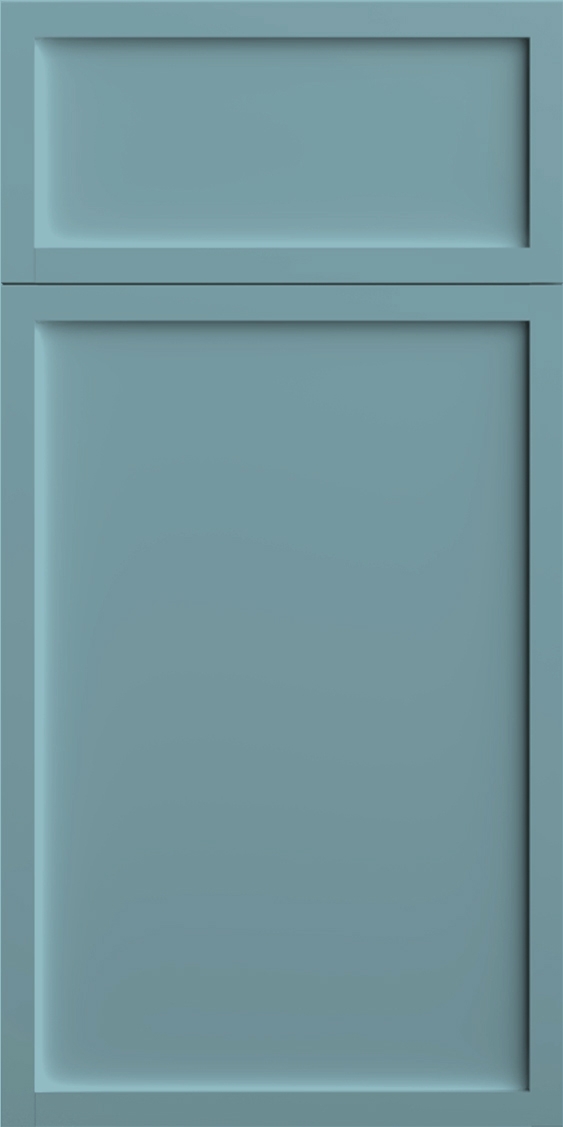
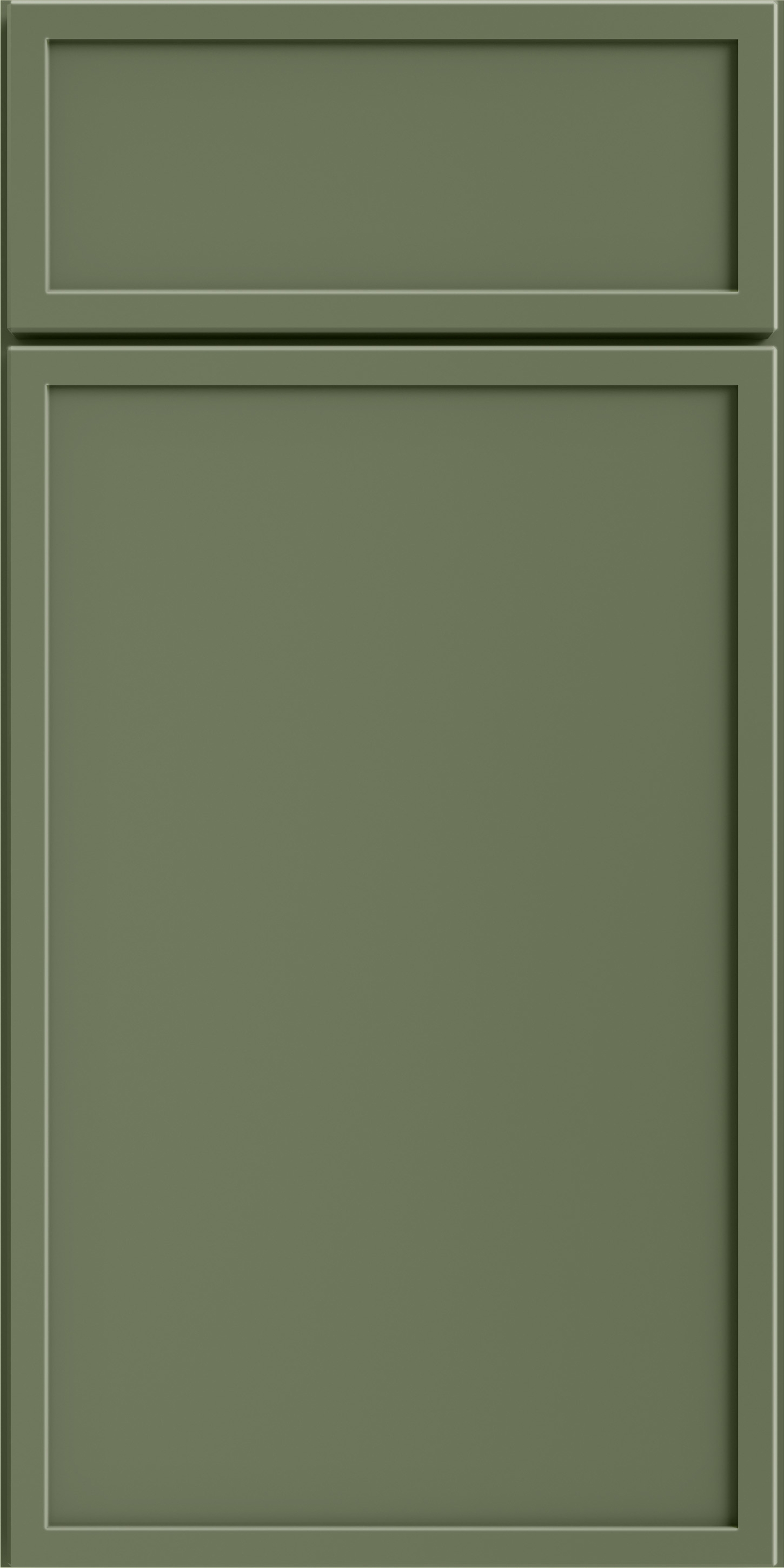
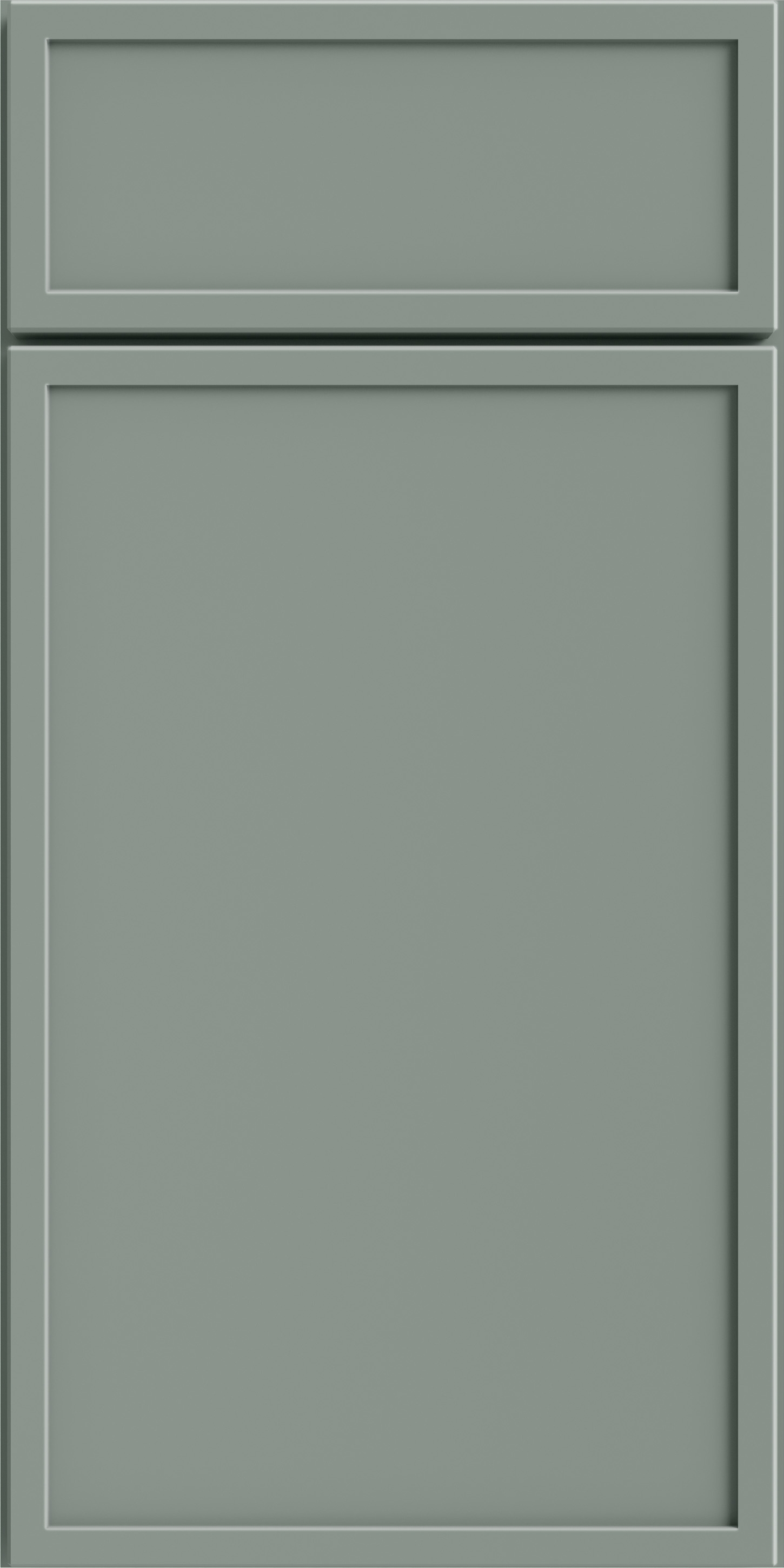
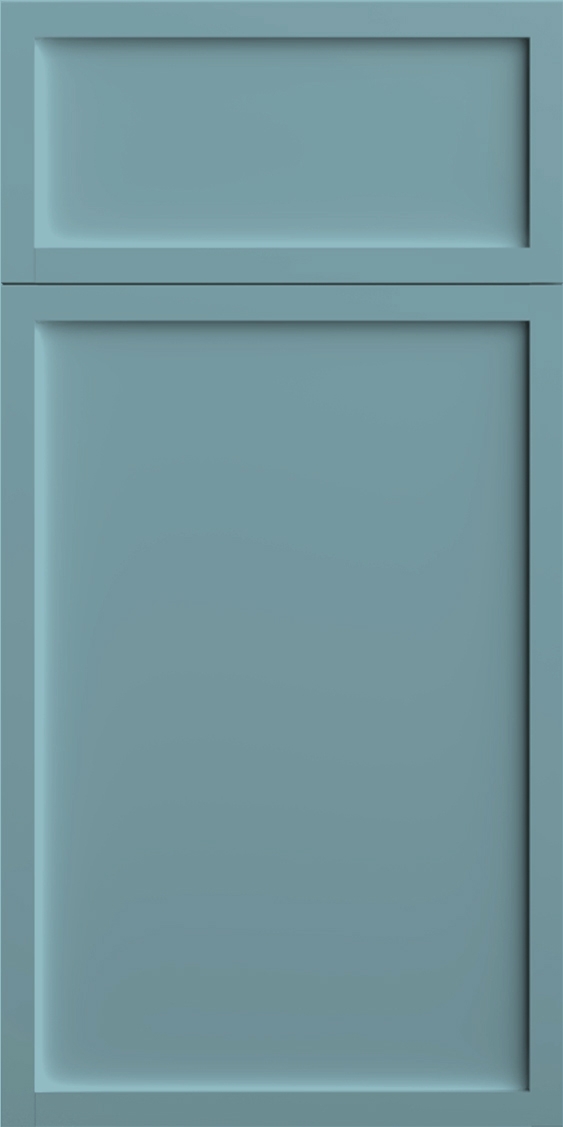
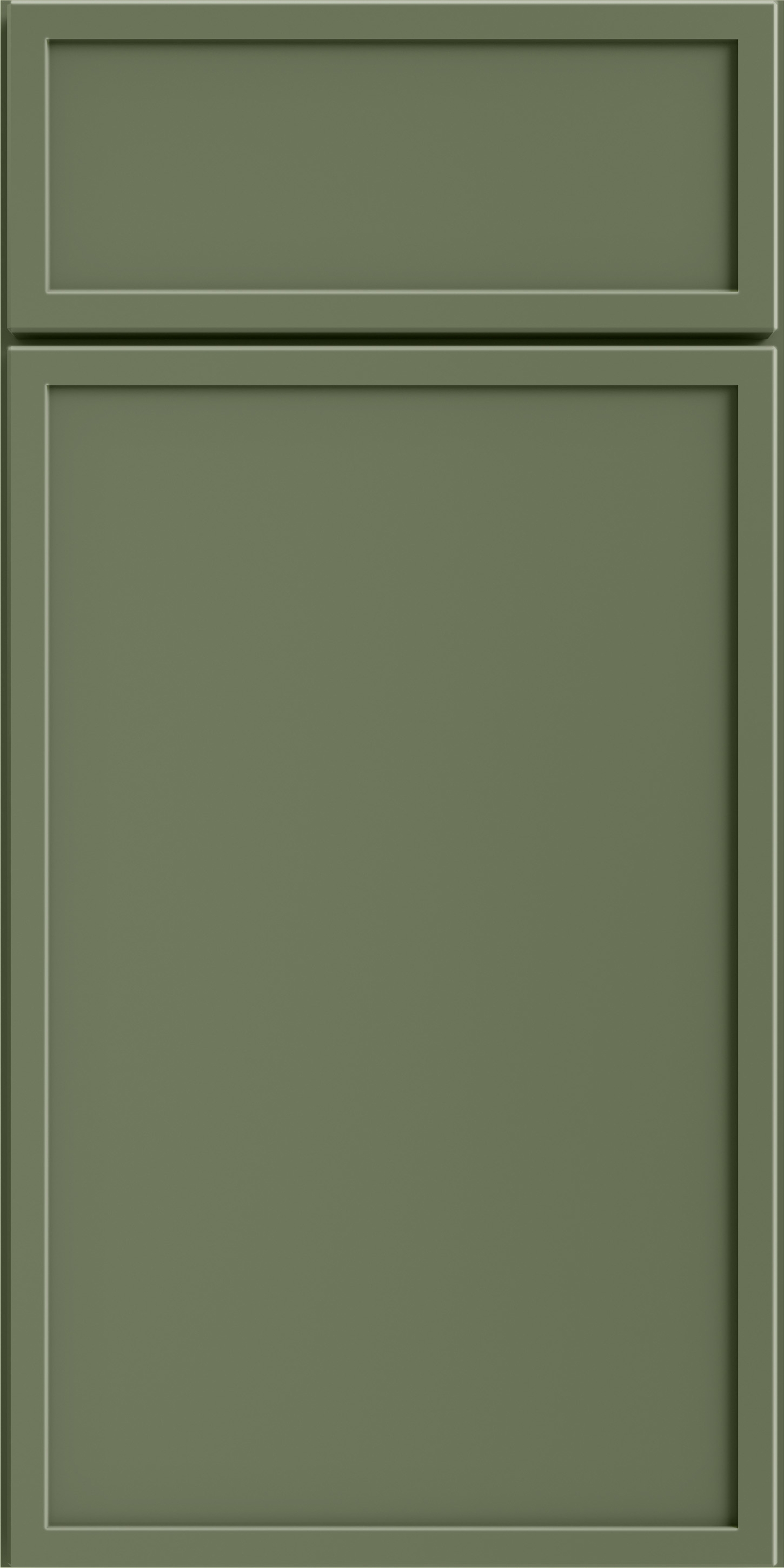
Slim shaker cabinet doors are a modern variation of traditional shaker cabinetry that use narrower rails and stiles to create a lighter, more contemporary appearance. By reducing the width of the outer frame, more of the center panel is exposed, giving the cabinetry a refined and less visually heavy look.
Depending on the cabinet manufacturer or design studio, slim shaker doors may also be described using different terms. Some brands refer to them as petite shaker, skinny shaker, or slim-rail shaker doors. In more recent design conversations, you may also hear the term micro shaker, used to describe doors where the frame is reduced even further. While the terminology may vary slightly from manufacturer to manufacturer, the general concept remains the same: a shaker cabinet door that preserves the traditional five-piece construction while refining the proportions to create a lighter and more contemporary profile.
In many ways, the slim shaker sits somewhere between a traditional shaker door style and a contemporary door style. You could almost say that if a traditional shaker door and a contemporary door had a baby, its name will be “Slim Shaker”.
Slim Shaker vs Traditional Shaker: Rail Width Comparison
One of the simplest ways to understand the difference between a slim shaker door and a traditional shaker door is to look at the width of the outer frame.
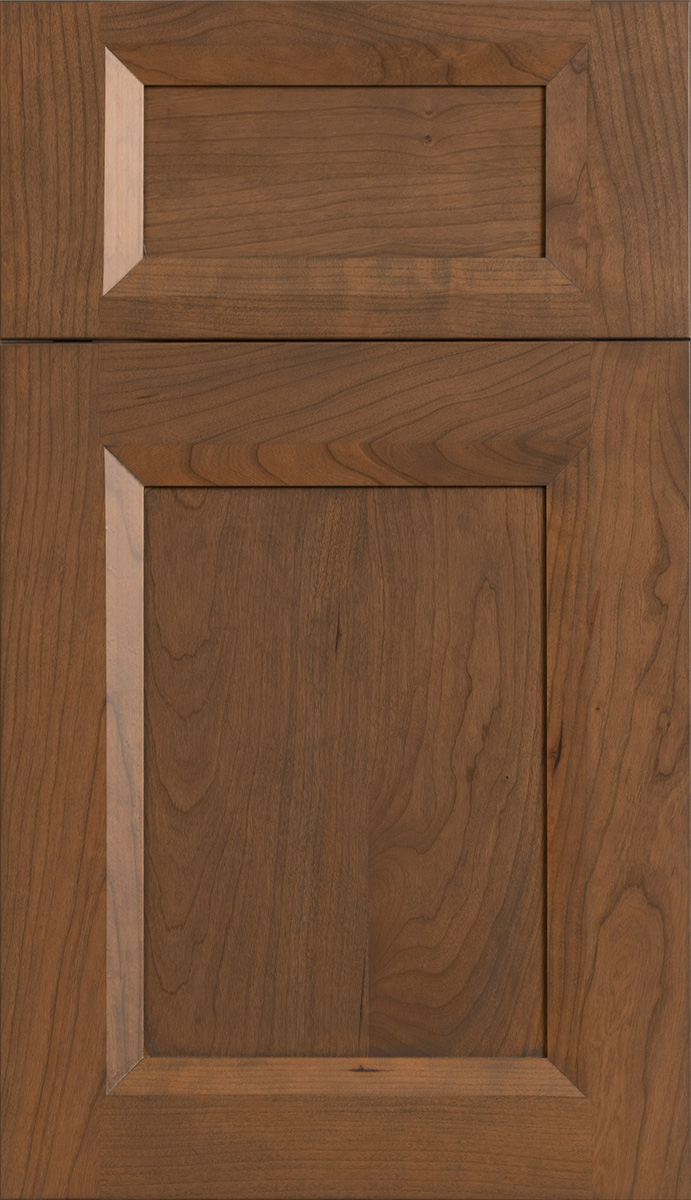
Traditional shaker cabinet doors typically feature rails and stiles that measure somewhere between 2¼ inches and 3 inches wide. This wider frame creates the familiar, structured look most people associate with classic shaker cabinetry.
Slim shaker cabinet doors reduce that frame width, often measuring ¾ inch to about 1½ inches depending on the manufacturer and cabinet line. By narrowing the rails and stiles, more of the center panel becomes visible.
While this may seem like a small change in measurement, the visual impact can be significant. Narrower rails reduce the visual weight of the cabinetry and allow the doors to feel lighter and more refined while still maintaining the recognizable structure of a classic shaker door.
Why Designers Are Using Slim Shaker Doors
One of the reasons slim shaker doors have gained attention in recent years is their ability to sit comfortably between traditional and contemporary design.
For homeowners who appreciate the familiarity of shaker cabinetry but want something that feels a little more current, the slim shaker offers a natural transition. It preserves the recognizable structure of the classic shaker door while reducing the visual weight of the frame.
A traditional shaker door can sometimes feel visually heavier when paired with modern appliances, slab backsplashes, or minimal hardware. The slimmer frame softens that effect and allows the cabinetry to feel more refined without moving completely into flat-panel or slab door territory.
In certain kitchens, this balance is exactly what designers are trying to achieve — maintaining the warmth and familiarity of shaker cabinetry while introducing a slightly more contemporary expression.










When Slim Shaker Cabinet Doors Work Best
Slim shaker cabinet doors tend to work best in kitchens that sit somewhere between traditional and contemporary design.
Because the frame is narrower than a traditional shaker door, the overall appearance naturally leans slightly more toward the contemporary side of the design spectrum while still maintaining the recognizable structure of classic shaker cabinetry.
This balance makes slim shaker doors particularly effective in kitchens that feature:
• transitional architecture
• modern appliances and fixtures
• simple trim and molding profiles
• natural wood tones such as white oak
• painted cabinetry with minimal hardware
In these settings, the slimmer frame allows cabinetry to feel lighter and more refined without abandoning the warmth and familiarity that homeowners often appreciate about shaker-style kitchens.
For designers, this style often becomes a way to soften the transition between traditional cabinetry and more contemporary kitchen environments.
When a Traditional Shaker Door May Still Be the Better Choice
Slim shaker cabinetry is not necessarily the right solution for every home.
In houses with heavily traditional architecture — such as ornate moldings, raised panel details, or decorative trim profiles — a classic shaker door often integrates more naturally with the surrounding design language.
Traditional shaker doors feature wider rails and stiles, which visually connect better with heavier architectural elements commonly found in older or more traditional homes.
In those situations, maintaining the original shaker proportions can help the kitchen feel more cohesive with the rest of the house.
While the slim shaker door represents a subtle evolution in cabinet design, it also highlights a bigger point—individual selections like door styles don’t exist in isolation. They’re part of a larger system that includes layout, proportions, materials, and how the space is ultimately used.
In many of the kitchens we design across Westchester County, these decisions are made together as part of a complete plan rather than in sequence. If you’re considering a kitchen remodel, you can get a clearer sense of how these elements come together on our kitchen remodeling services in Westchester County page.
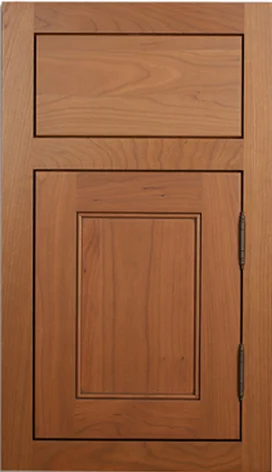
Slim Shaker Cabinets in Real Kitchens
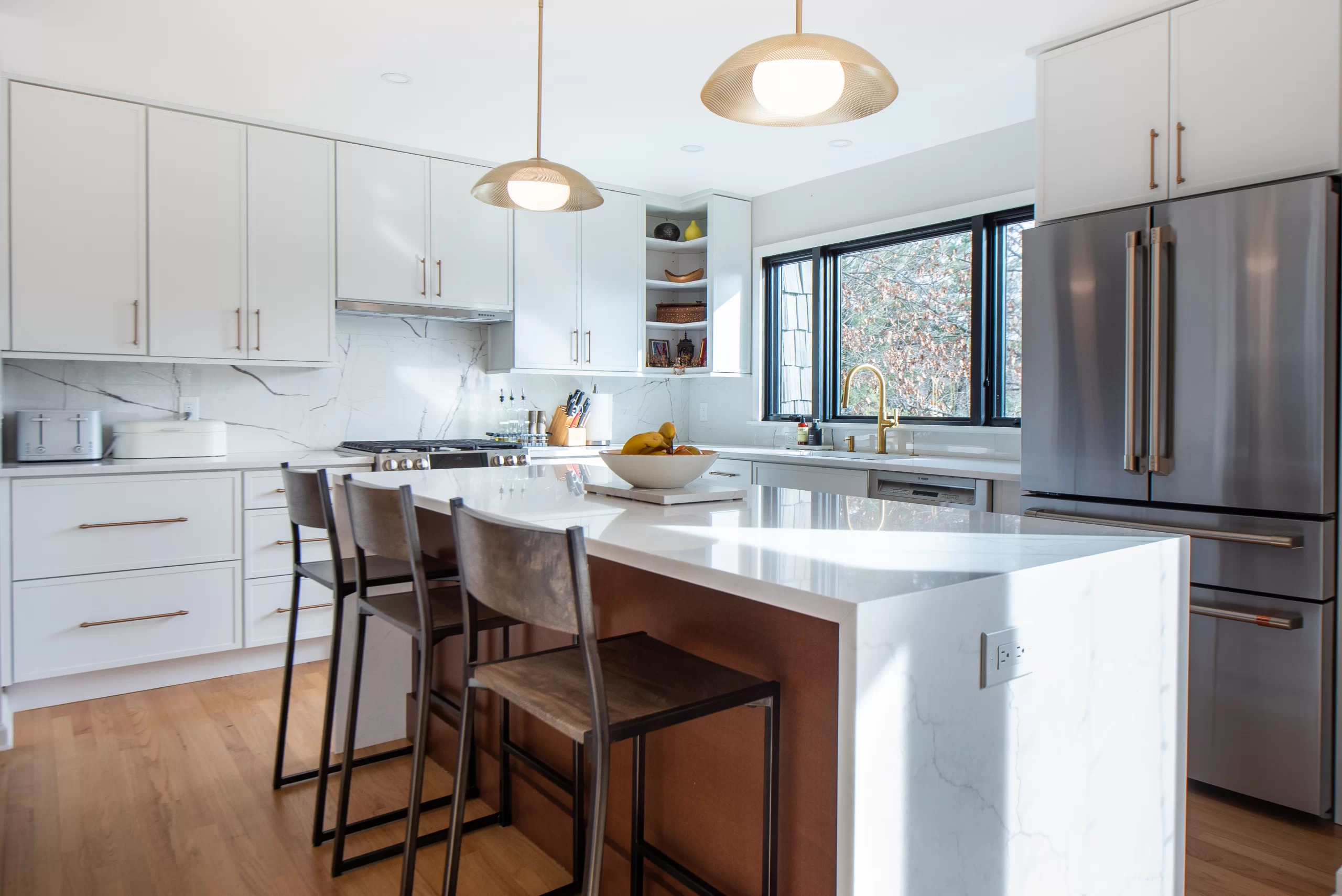
In this kitchen renovation, the slim shaker door was selected to maintain the structured appearance of traditional shaker cabinetry while softening the visual weight of the cabinet fronts.
The narrower frame allowed more of the center panel to show, which helped the cabinetry feel lighter and more refined throughout the space. This subtle adjustment worked particularly well with the surrounding materials and finishes, allowing the kitchen to feel current without abandoning the timeless qualities that make shaker cabinetry so enduring.
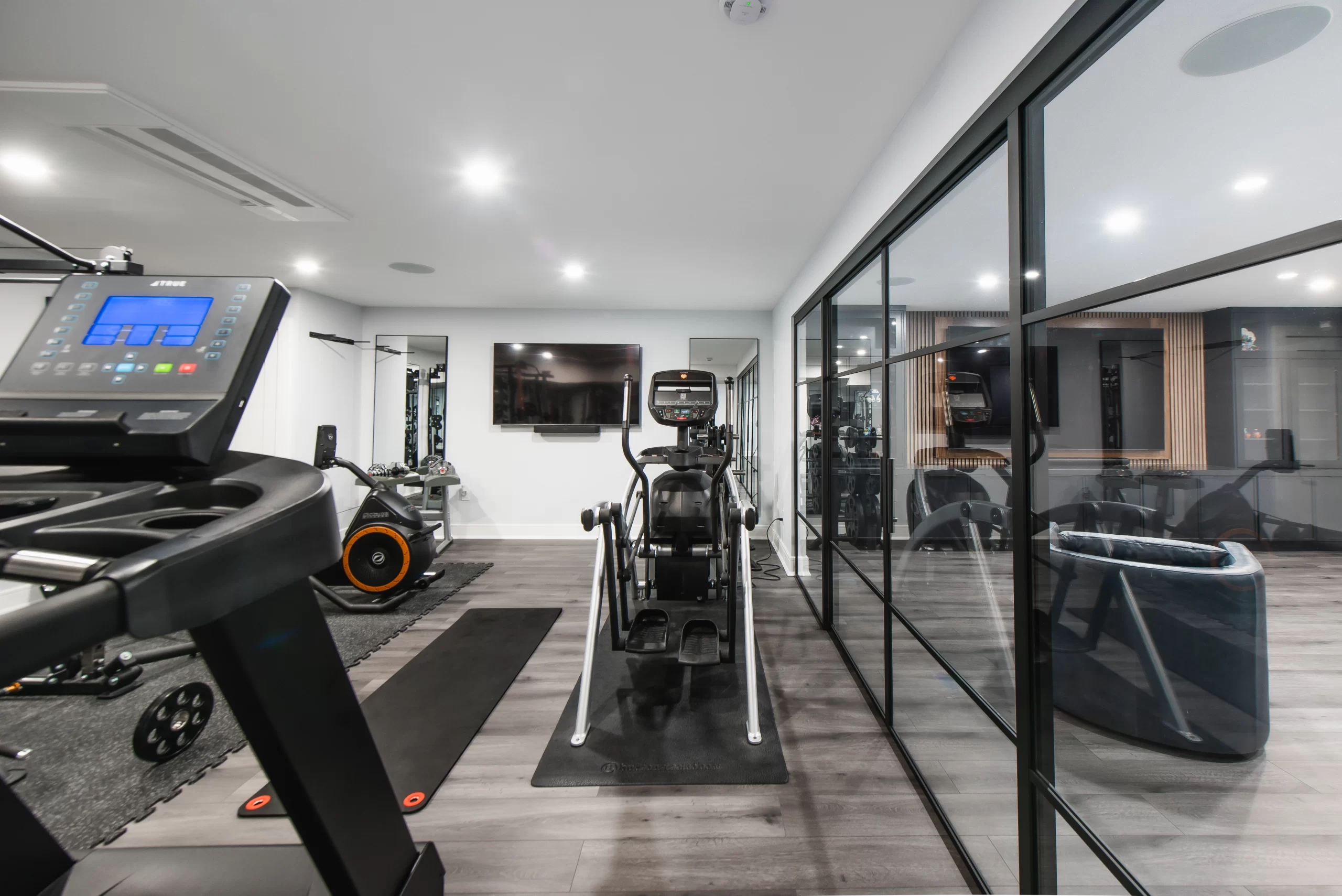
In the basement remodel above we recently completed, the slim shaker door played a similar role, helping bridge the gap between traditional cabinetry and a more contemporary kitchen environment.
By reducing the width of the cabinet frame, the cabinetry introduced a slightly more modern character while still maintaining the recognizable structure that homeowners often appreciate about shaker-styles. The result was a space that felt balanced and intentional, where the cabinetry complemented the overall design rather than dominating it.
Things to Consider When Using Slim Shaker Cabinetry
While the slim shaker door offers a refined and modern interpretation of traditional shaker cabinetry, there are a few practical details worth considering when incorporating this style into a kitchen design.
One of the first things designers often look at is hardware placement.
Because the frame of a slim shaker door is narrower than a traditional shaker, the surface area available for mounting cabinet handles is reduced. In some cases, this means the handle may sit closer to the inside edge of the frame than homeowners are used to seeing.
For some clients this initially raises an eyebrow. They are accustomed to the wider rails of a traditional shaker door and instinctively want more room for the handle placement. In practice, however, that concern usually disappears once the kitchen comes together. Many homeowners end up selecting more refined hardware, and the handle itself becomes a design feature that naturally draws the eye away from its exact mounting location.
Another detail worth mentioning is finger pull hardware.
As you may have noticed in some of the kitchens shown here, finger pull handles tend to work particularly well with slim shaker doors. Finger pulls were originally developed for contemporary slab cabinetry, but on slim shaker doors they often feel surprisingly natural. Some might even argue that the hardware simply found a new place where it works even better.
Another important consideration is how the cabinetry is paired with surrounding trim and molding details.
Because the slim shaker door leans slightly more toward the contemporary side of the design spectrum, the supporting trim and molding details often follow that direction. Crown moldings, light rails, and other trim elements are typically selected with cleaner lines and simpler profiles so the overall kitchen remains visually balanced.
Pairing slim shaker cabinetry with heavy traditional moldings or ornate trim details can sometimes feel mismatched.
This is also why the slim shaker door tends to appeal to a very specific type of homeowner. Some people find traditional shaker cabinetry a bit too classic, while others feel fully contemporary slab cabinetry moves too far away from the warmth and familiarity they want in a kitchen.
The slim shaker quietly sits between those two worlds.
A Modern Evolution of a Classic Cabinet Style
Kitchen design has always evolved through subtle refinements rather than dramatic reinventions, and the slim shaker door is a perfect example of that process.
By simply adjusting the proportions of a familiar cabinet style, designers have created a door that feels lighter and more modern while still respecting the timeless principles that made shaker cabinetry so popular in the first place.
Like any design decision, the success of this style ultimately depends on context — how it interacts with the architecture of the home, the surrounding materials, and the overall design of the kitchen.
When used thoughtfully, however, the slim shaker door offers a compelling middle ground for homeowners who appreciate both the structure of traditional cabinetry and the lighter expression often associated with contemporary design.
In Closing
Choosing the right cabinet door style is often about more than appearance. Proportions, materials, hardware, and surrounding architectural details all influence how a kitchen ultimately feels and functions.
Whether a homeowner chooses a traditional shaker door, a slim shaker variation, or a more contemporary cabinet style, the goal is always the same: creating a kitchen where every design decision works together as a cohesive whole.
If you are exploring ideas for a kitchen renovation and would like to discuss cabinet styles, layout options, and design possibilities for your home, our team at RAJ Kitchen & Bath would be happy to walk through the process with you.