
CHALLANGES OF HOME ADDITIONS
While home additions can be a great solution—especially when part of a larger home renovation strategy—they come with complexities that should be considered before making a decision. Understanding these challenges early on can help ensure a smoother process and a positive relationship with your contractor. Here are some key factors to be aware of:
1. Budgeting and Costs
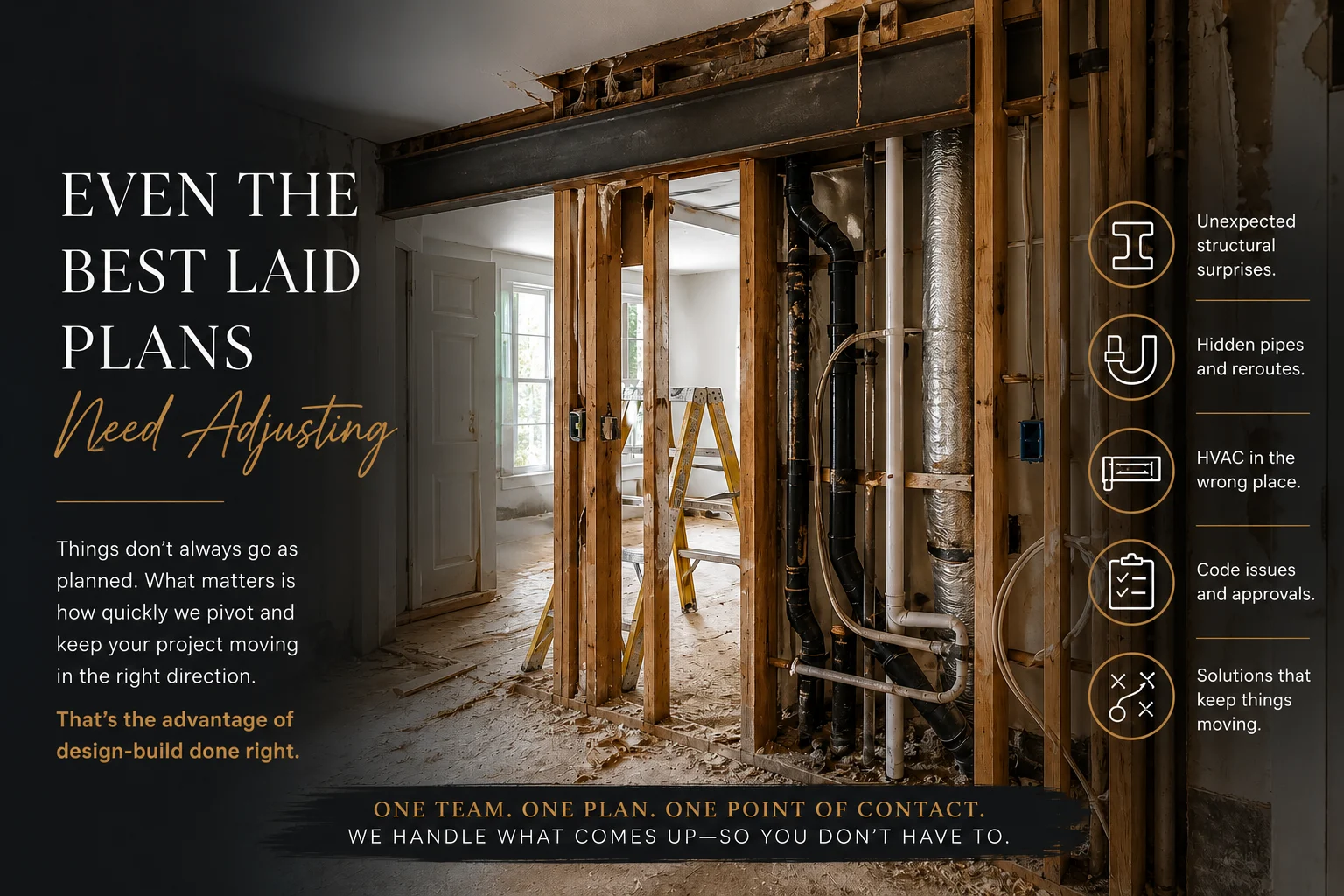
Home additions can be expensive, with costs escalating due to unforeseen issues such as structural modifications, material price increases, or labor shortages. Naturally, the larger the addition, the higher the cost. However, interior reconfigurations can sometimes be just as expensive—and in some cases, a well-planned interior remodel can achieve the same result without expanding the home. Cost isn’t always the primary concern; sometimes, making the necessary changes is essential to achieving your desired outcome.
2. Zoning and Permits
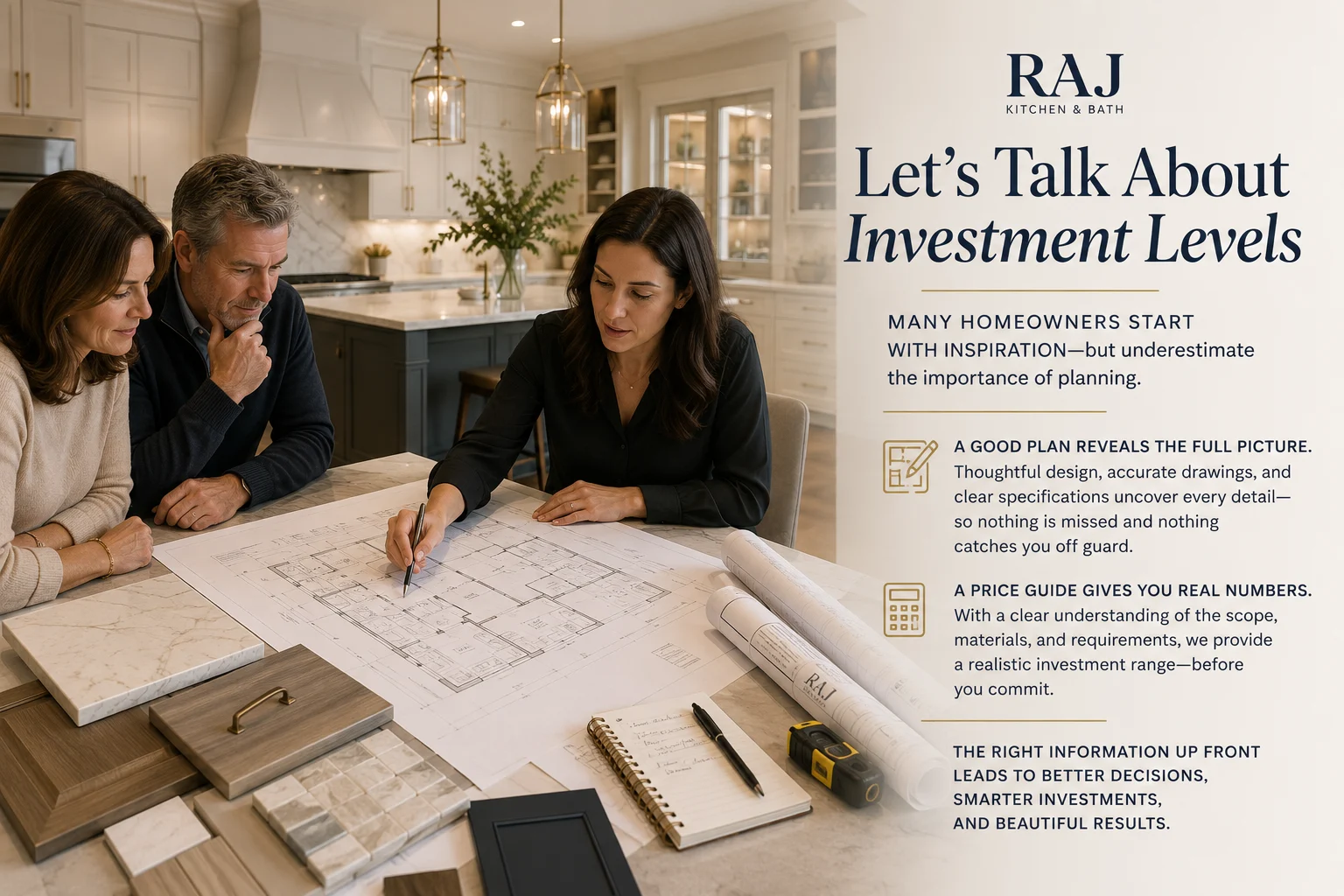
Local zoning laws and building codes may restrict what you can build and where. Obtaining the necessary permits can be a complex and time-consuming process. While some projects may require only a single professional, others might necessitate additional specialists, such as engineers. Many municipalities also require an updated property survey if the existing one is over five years old. Additional costs include permit fees, filing fees, and printing costs.
Beyond zoning, homeowners in certain areas must also navigate approvals from an Architectural Review Board (ARB). If you live in a gated community, additional layers of approval may be required. We aim to provide you with as much information as possible upfront through a structured planning and design process. Rest assured, we handle all of these processes for our clients.
3. Disruption to Daily Life
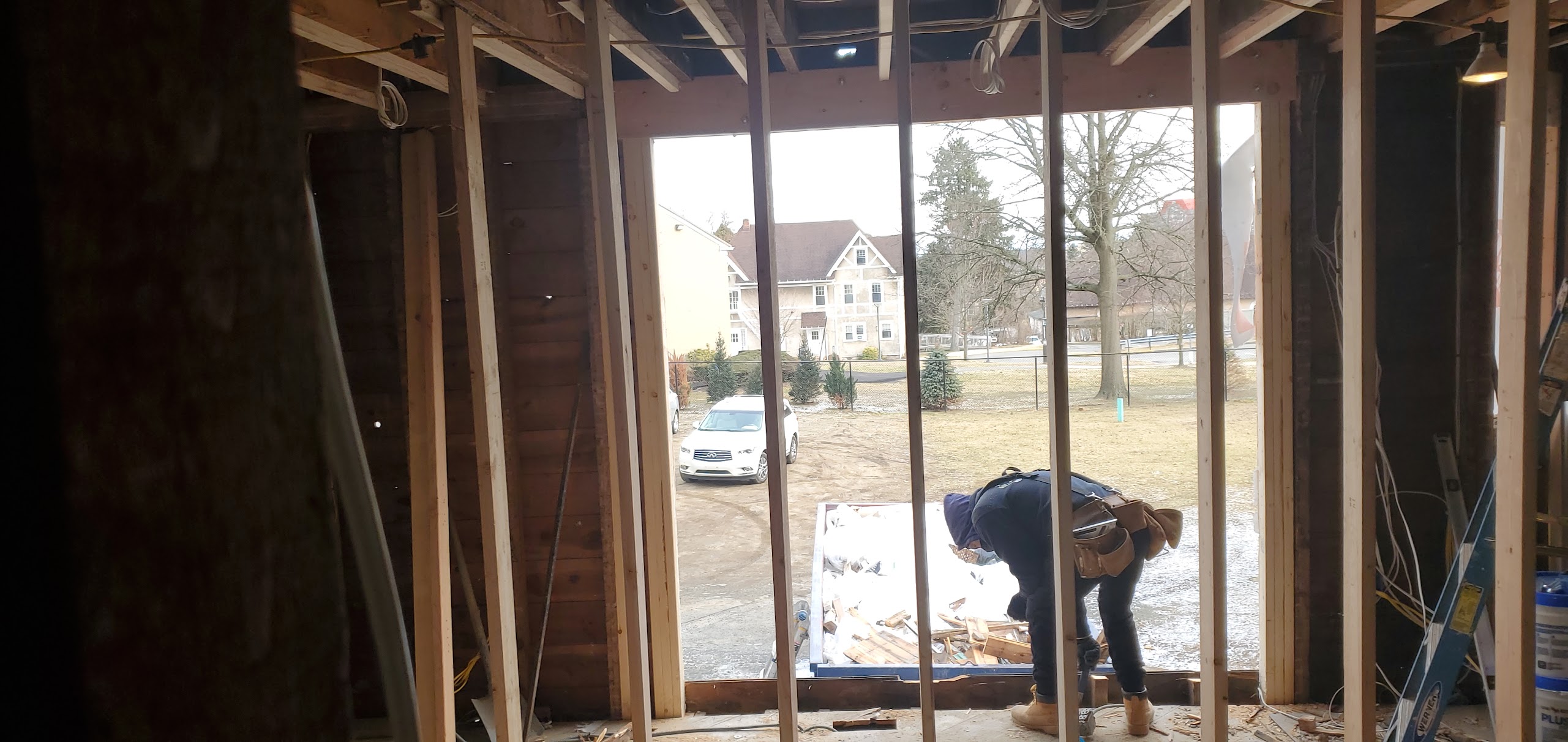
Construction is inherently noisy, messy, and disruptive. Depending on the project’s scope, you may need to temporarily relocate or adjust your daily routines. The challenge is particularly significant when the addition affects both the existing structure and the new build.
Relocating can be costly, and returning home requires careful planning. Some clients initially enjoy the change as if it were a vacation, but after a month or two, they often grow anxious to return. Having a plan in place helps manage expectations and minimize stress.
4. Matching the Existing Design
Integrating a new addition with your home’s existing architecture and style can be challenging. A poorly designed addition may look out of place and impact both aesthetics and resale value. Material availability plays a role—sometimes, an entire exterior repaint is required to achieve a cohesive look. Other times, we skillfully blend new materials with the existing structure to ensure a seamless transition. Regardless of the approach, our goal is always to create an intentional, well-integrated design.
5. Finding the Right Contractor
Selecting a reliable and experienced contractor is crucial to a successful project. Poor workmanship and project delays can lead to frustration and additional expenses. We openly acknowledge that we are not the right fit for every job. For example, we do not manufacture steel structures, and we generally do not work on historical restorations. In such cases, we refer clients to our trusted partners in the industry. Finding the right contractor can make or break your project, so it’s important to choose wisely to avoid unnecessary problems and delays.
Additions vs. Reconfiguration
While additions can be the best solution in some cases, they are not always necessary. In many instances, a strategic interior reconfiguration can provide just as much value. Repurposing rooms, utilizing underutilized spaces, and eliminating wasted areas can often meet homeowners’ needs without expanding the structure. See how we achieved dramatic results without an addition in our Scarsdale whole-home remodel — a full kitchen relocation that transformed how the home functioned without expanding the footprint
We frequently guide clients through this process—sometimes, after reviewing a wish list, we find that a thoughtful redesign can achieve the same goals without requiring an addition. Working with a professional can provide fresh insights—and help determine whether a home addition or full renovation is the better path forward
If you’re still weighing your options, our companion guide on why a home addition might make sense covers the benefits side of the equation. And if reconfiguration feels like the right direction, our guide on reworking your home interior footprint walks through how that process works in practice. When you’re ready to explore what’s possible, our design-build planning process is where every project starts — and our home additions and renovations services page covers the full scope of what we handle