Kitchens aren’t getting bigger in 2027. They’re getting smarter. The National Kitchen & Bath Association’s 2027 Kitchen Trends Report found that only 52% of design professionals expect kitchen footprints to grow, down from 76% a year earlier. The focus has shifted from more square footage to better use of the space you have: defined zones, hidden storage and materials that age well.
Here are the kitchen design trends we see shaping 2027, what’s behind each one, and how they play out in Westchester homes. We update this guide every year as the research and our own projects evolve.
1. Zoned Kitchens Replace the Fully Open Plan
After two decades of knocking down walls, homeowners want some definition back. In NKBA’s survey, 81% of designers called intentional zoning “here to stay,” and semi-enclosed and partially concealed kitchens were both named up-and-coming. Partial walls, glass partitions and pocket doors let the kitchen connect to the family room without every pot and pan on display.
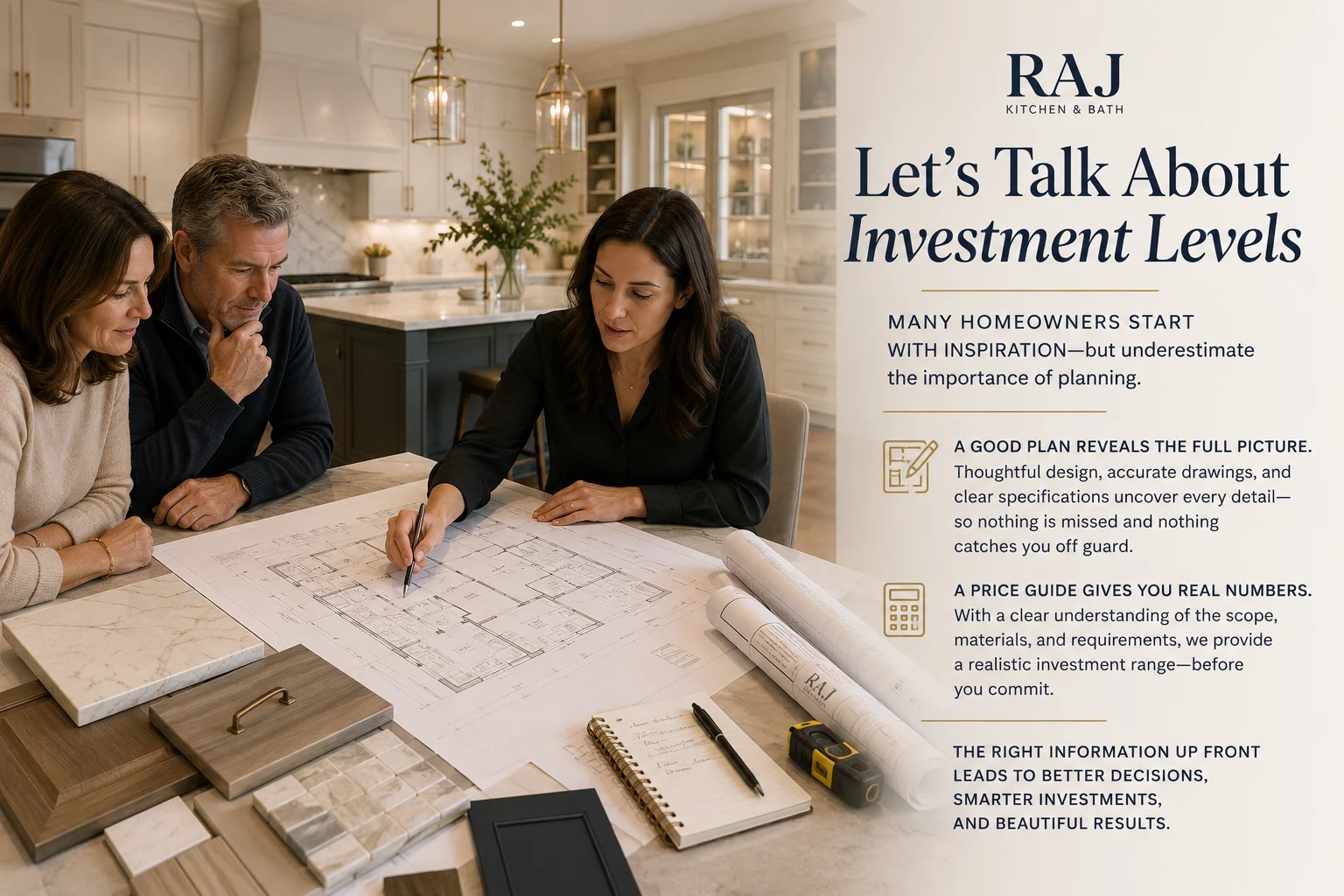
Zoning works best when it starts with the layout. Our guide to kitchen layout design walks through the prep, cooking, cleanup, storage and serving zones we plan around. Reconfiguring a layout is also one of the smartest investments: designers ranked it the second-highest return in a kitchen, right behind cabinet upgrades.
2. Back Kitchens and Working Pantries
Nearly half of designers (47%) named dedicated prep spaces and back kitchens as up-and-coming. A back kitchen, sometimes called a scullery or working pantry, is a small secondary room behind the main kitchen where the messy work happens: a second sink, the coffee maker, small appliances and overflow storage. The main kitchen stays clean for entertaining.
You don’t need a big house for this. In many Westchester colonials, a back kitchen can be carved out of an old pantry, a back hall or part of a mudroom. Pantries are changing too: 88% of designers say they’re becoming multi-functional extensions of the kitchen, and 67% expect walk-in pantries to dominate.
3. Hidden Storage and Appliance Stations
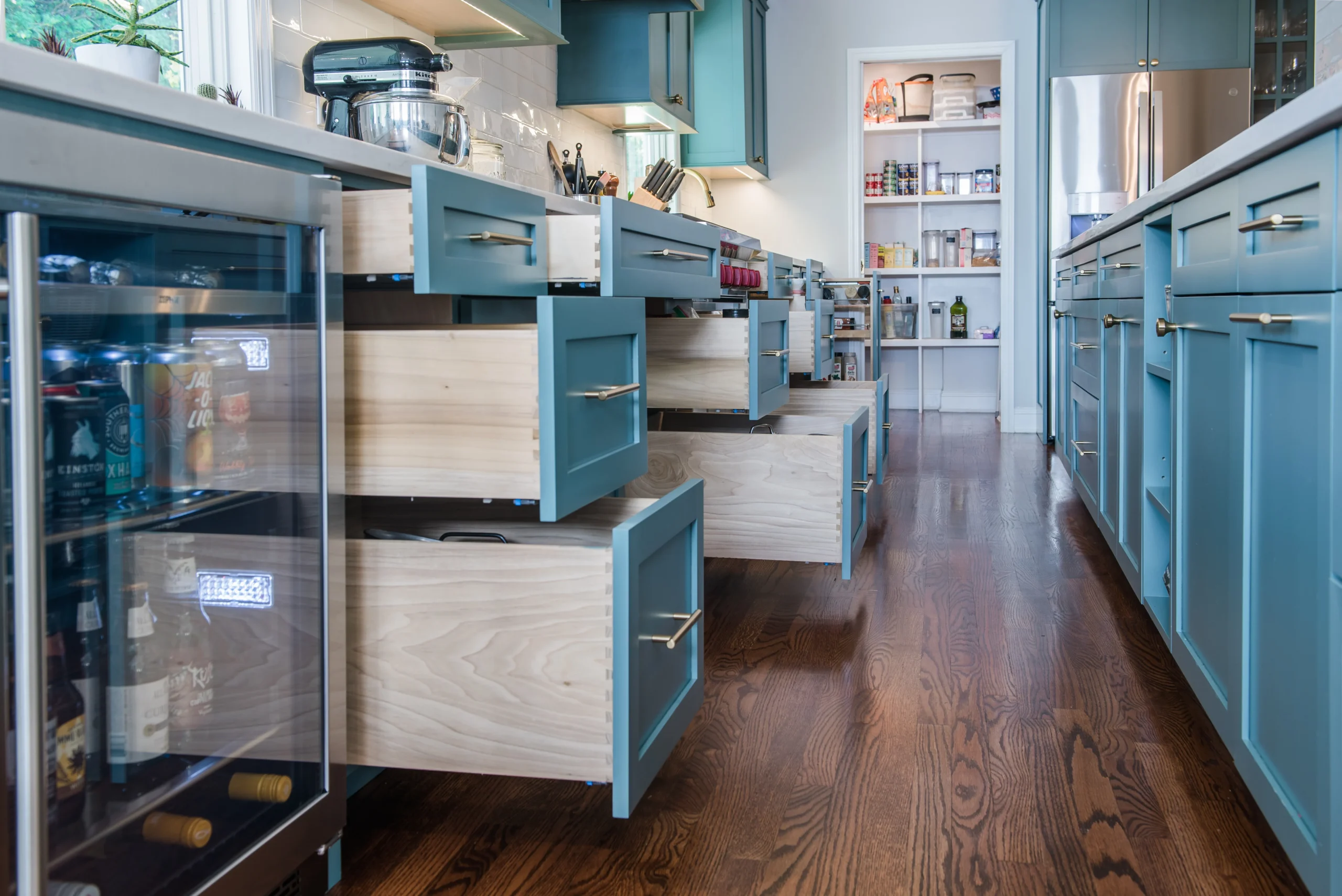
Open shelving is on its way out. Sixty-four percent of designers expect it to decline in favor of enclosed storage, and 85% say cabinetry is being designed to hide appliances and everyday clutter. Expect to see:
- Appliance stations (73% expect them to be popular) for the coffee maker, toaster and air fryer, behind lift-up or pocket doors.
- Panel-ready appliances that disappear into the cabinetry.
- Beverage areas and coffee bars, which 90% of designers expect to be popular.
- Pet feeding stations built into a base cabinet or island end, which 64% expect to grow.
4. Wood Cabinets Take Over from All-White
Warm wood is the strongest cabinet trend heading into 2027. White oak is the preferred wood for 49% of designers, and natural, unfinished-look wood cabinets are rising. Light and medium tones are splitting the market almost evenly. More than half of designers (54%) also expect islands to be a different color or finish from the perimeter cabinets, often wood under a painted or lighter upper run.
If you love a classic Shaker door, the profile matters as much as the finish. See our comparison of slim Shaker vs. traditional Shaker doors, or this white oak custom kitchen for a finished example.
5. Quartzite Overtakes Quartz
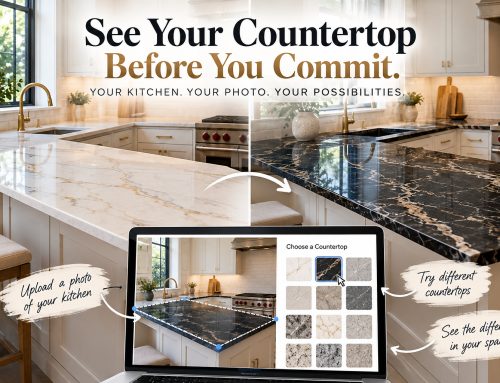
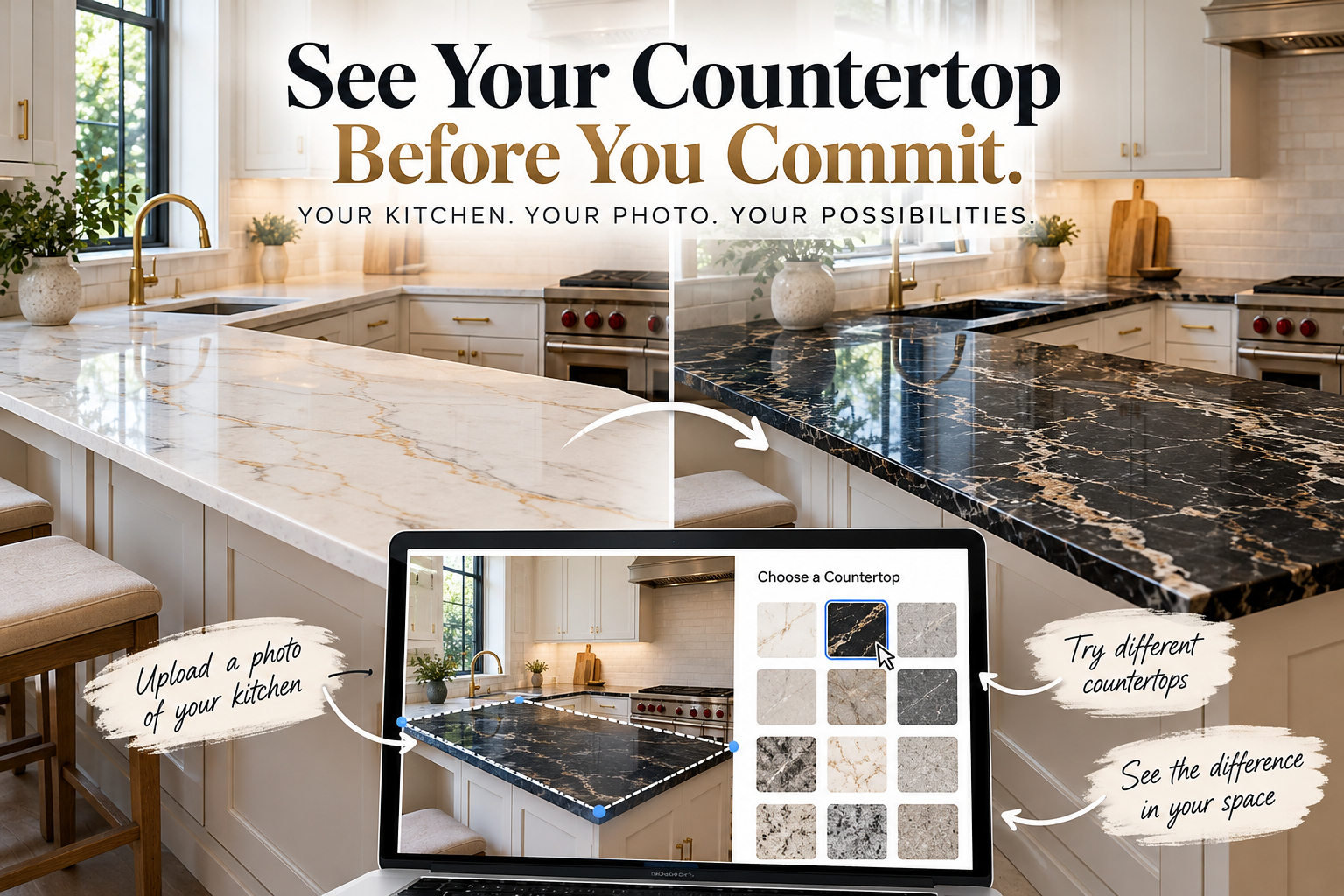
For countertops, 78% of designers expect quartzite to be popular, edging out quartz at 74%. Quartzite gives you the movement and depth of natural stone with more durability than marble. Quartz and porcelain remain the low-maintenance choices for busy kitchens, and full-height slab backsplashes in the same material as the counter continue to replace tile. You can compare stones side by side, and see them in a photo of your own kitchen, on our countertops page.
6. Greens, Blues and Warmer Colors
Neutrals still lead (96% of designers name them), but color is staying. Greens (83%) and blues (75%) remain the top accent families, and warmer tones are holding steady: 47% named reds and burgundies, and 43% named yellows. The common thread is colors that feel earthy rather than stark. A colored island, a painted back kitchen or a deep green range wall adds personality without committing the whole room.
7. Layered Lighting as a Design Feature
Lighting is no longer an afterthought. Eighty-four percent of designers expect multiple lighting layers, 87% expect under-cabinet lighting to be standard, and 78% see lighting as a design feature in its own right. A good plan layers ambient light (recessed or ceiling), task light (under-cabinet and over the sink) and accent light (inside glass cabinets, toe-kicks, a statement pendant over the island). Half of designers also expect lighting controlled from your phone.
8. Wellness and Resilience Built In
Kitchens are being designed to protect the home as well as look good. Designers pointed to leak detection and automatic water shut-off valves (65%), backup power (62%) and better ventilation and air filtration (53%). Touchless faucets, quieter appliances and sound-absorbing materials round out the list. In Westchester, where storms regularly knock out power, a leak sensor under the sink and a properly vented hood are practical upgrades worth planning in from the start.
9. Selective, Practical Technology
The smart-kitchen hype is cooling into something more useful. Designers expect mobile alerts for power failures and gas leaks (57%) and app-controlled appliances (40%) to be popular, while only about a quarter expect AI-driven ovens to catch on. Air fryers (57%) now outpace convection ovens (46%) in expected demand, which is one more reason for that appliance station. The rule of thumb: add technology that solves a real problem, and plan the outlets, data and power for it before the walls close.
10. Kitchens That Connect to the Rest of the Home
The kitchen keeps reaching into the spaces around it. Ninety-four percent of designers expect attached mudrooms to be popular, and laundry rooms are growing alongside them. When the mudroom, laundry and pantry are planned together with the kitchen, the whole back of the house works better. If you’re considering moving laundry, our guide to moving a laundry room upstairs covers the options, and this Scarsdale kitchen that opened up a closed layout shows how much a reworked footprint can change a home. For bigger changes, see how we approach a full interior remodel.
Trends vs. Timeless: How to Choose
Trends are useful for ideas, but your kitchen should outlast them. A few rules we follow:
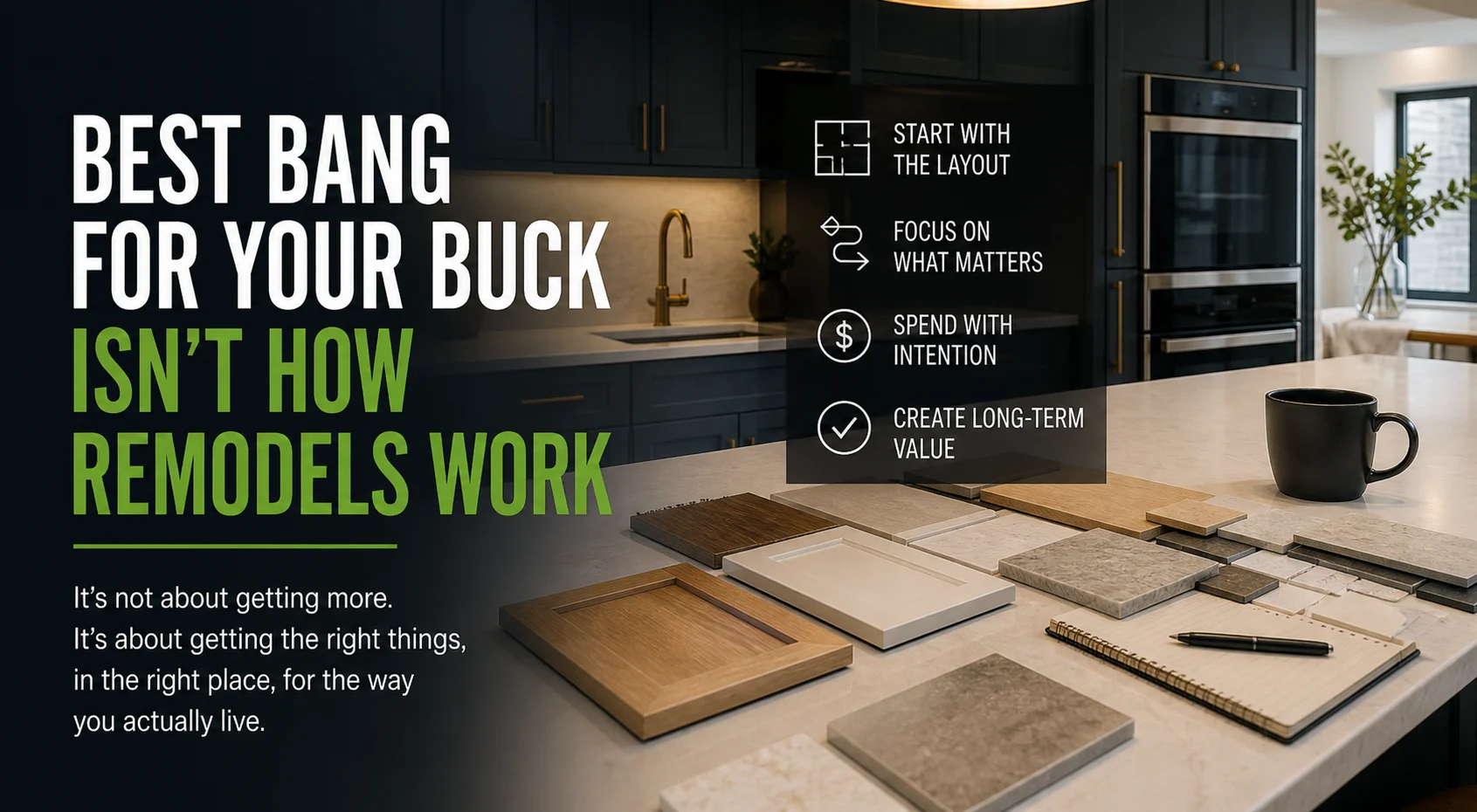
- Invest in what’s hard to change: layout, cabinetry and countertops. Put the trendier choices in what’s easy to change, like paint, hardware and lighting fixtures.
- Design for how you live, not for a photo. That’s the idea behind designing around your lifestyle.
- Look for trends that solve problems. Hidden storage, zoning and better lighting will still make sense in ten years. A trend color might not.
For more on what separates a well-designed kitchen from a trendy one, read what award-winning kitchen design in Westchester looks like.
Frequently asked questions
What are the biggest kitchen design trends for 2027?
The biggest shifts are zoned kitchens instead of fully open plans, back kitchens and working pantries, hidden storage and appliance stations, wood cabinets (especially white oak), quartzite countertops, layered lighting, and built-in wellness features like leak detection and better ventilation.
Are open-concept kitchens going out of style?
Not entirely, but they’re being softened. Designers are adding partial walls, glass partitions and pocket doors so the kitchen stays connected to living spaces while keeping mess and noise contained.
What is a back kitchen?
A back kitchen, also called a scullery or working pantry, is a small secondary space behind the main kitchen for prep, small appliances, a second sink and extra storage. It keeps the main kitchen clean and ready for guests.
Are white kitchens still in style?
White remains a classic, but warm wood tones are now more popular in new designs. Many kitchens combine the two, with wood lower cabinets or a wood island paired with lighter upper cabinets.
What countertop is most popular for 2027?
Quartzite has edged ahead of quartz in designer surveys for its natural stone look and durability. Quartz and porcelain stay popular for low maintenance.
How do I keep my kitchen from looking dated?
Spend on timeless foundations (a smart layout, quality cabinets and durable countertops) and express trends through paint, hardware, lighting and decor that are easy to update later.
Ready to plan a kitchen that works for years? See how we approach kitchen remodeling in Westchester, or book a complimentary consultation by phone or in your home. We design and build kitchens across the county, from Scarsdale and Rye to Bronxville and Chappaqua.